



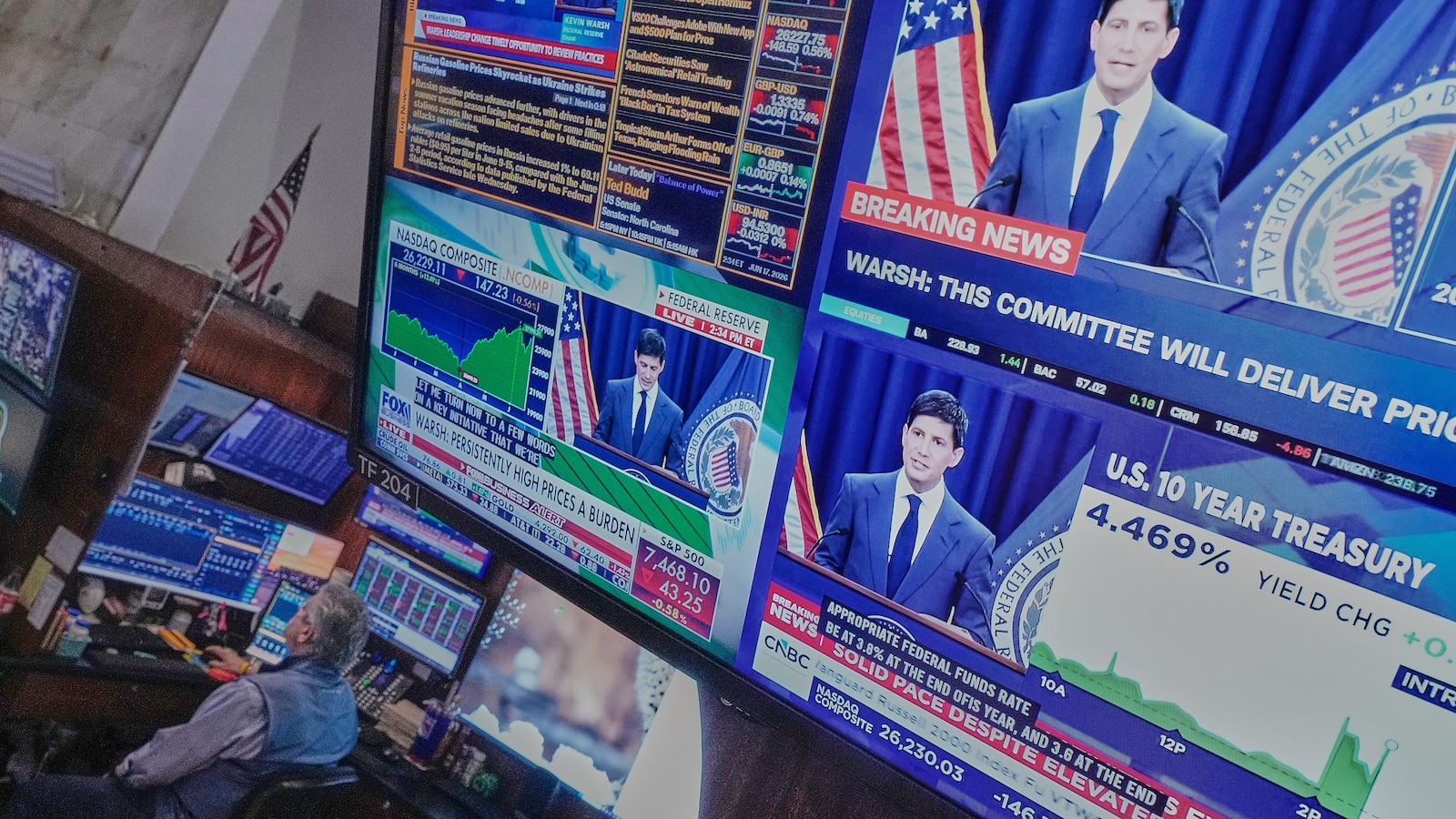
The article discusses the Federal Reserve’s shift in communication style under new chairman Kevin Warsh, who is moving away from the transparency and guidance of previous administrations. Warsh believes financial markets are overly reliant on the Fed’s forward guidance, which he thinks is more beneficial during crises than in stable economic times. He has significantly shortened the Fed’s statements on interest rate decisions and eliminated future guidance on potential actions, citing former chairman Alan Greenspan as a model.
Experts warn that this approach could lead to increased market volatility and higher interest rates for consumers, although the immediate impact on rates like mortgages is expected to be minimal. Warsh’s communication cuts are part of broader reforms, including the creation of task forces to assess various aspects of the Fed’s operations.
While previous Fed leaders emphasized clear communication to guide markets, Warsh prefers that investors make their own judgments based on economic data. Critics argue that withdrawing guidance might hinder effective responses to unexpected economic challenges, suggesting the need for a contingency plan to address inflation and other issues. Warsh’s strategy could potentially give more weight to views from other Fed members, as they might provide the insights that markets are seeking. The long-term effectiveness of Warsh’s approach, especially during economic downturns, remains uncertain.
Source link
