



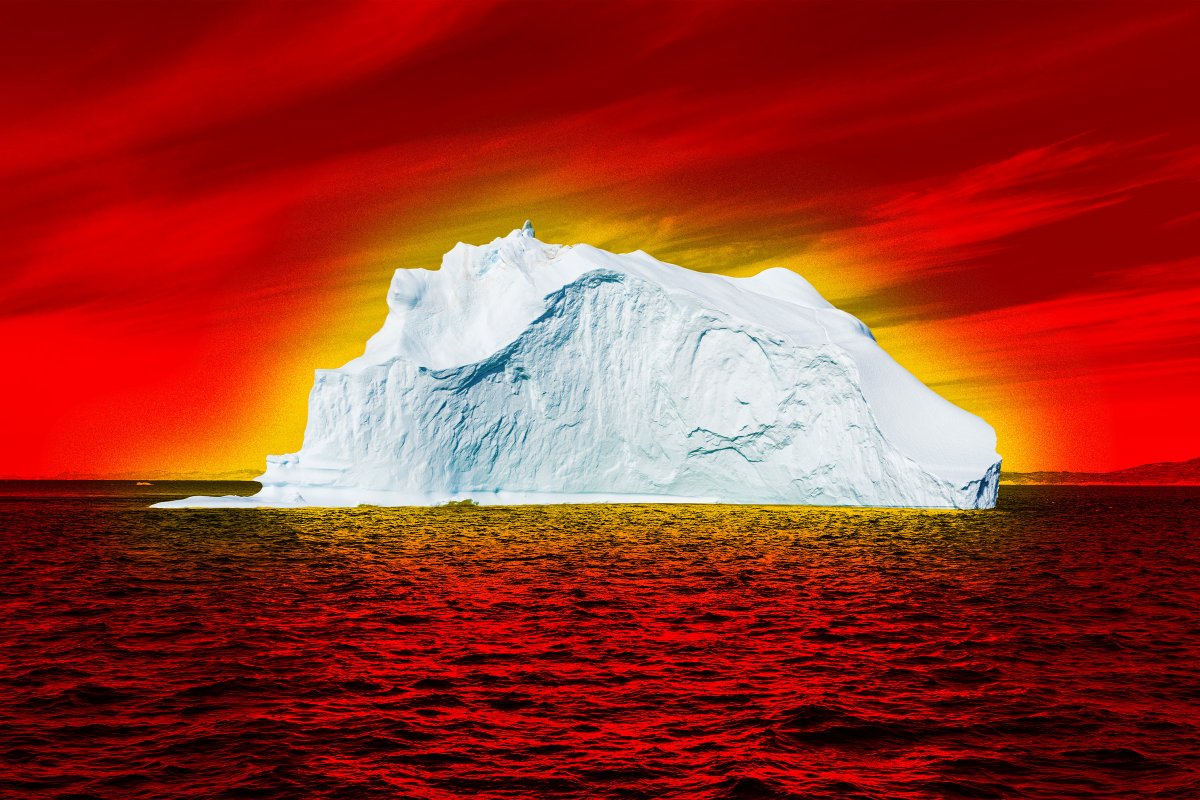
A new study published in Nature by researchers from the Technical University of Denmark reveals a lesser-known effect of climate change: iceberg congestion. As Greenland’s glaciers melt, they release more icebergs into oceans, notably affecting shipping lanes and marine ecosystems. The researchers noted that since 2000, iceberg release from the Fram Strait has quadrupled, primarily due to destabilizing glaciers and melting sea ice.
These icebergs carry sediment, or "dropstones," that create new hard substrates on the ocean floor, fostering mini-ecosystems and increasing biodiversity. This phenomenon highlights the interconnectedness of land-based processes and deep-sea ecosystems. The study emphasizes the Arctic’s rapid response to global warming, underscoring the need to understand the interactions between ice sheets, oceans, and ecosystems to predict the impacts of climate change accurately.
