



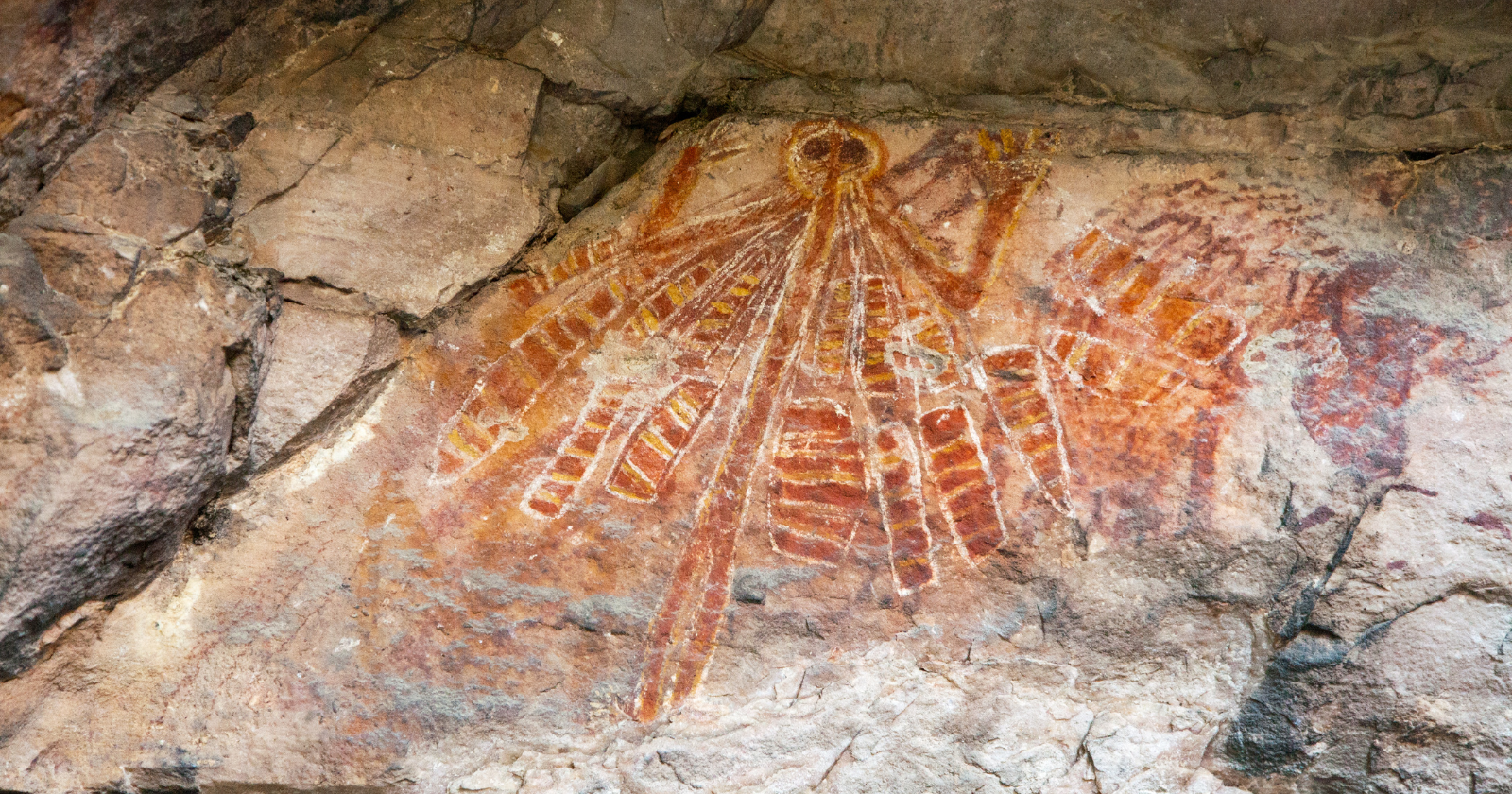
The article explores claims by geographer Patrick Nunn and linguist Nicholas Reid, suggesting that Aboriginal stories of ancient flood events may reflect accurate historical memories from 7,000 to 13,000 years ago. Their research, detailed in the journal Australian Geographer, examined oral traditions from 21 coastal locations in Australia, revealing common themes of rising seas engulfing once-inhabited land.
For instance, the Kulin and Gunai people’s stories describe submerged hunting grounds, while accounts from the Ngarrindjeri highlight the formation of Kangaroo Island. The researchers used geological age-dating methods to correlate these narratives with historical sea-level rise, positing that many Aboriginal oral traditions might preserve memories of real events.
Critics argue that oral traditions usually deteriorate over centuries and can be subject to embellishment, while some scholars contend it’s impossible to verify the age of these recountings definitively. However, Nunn and Reid counter that the recurrence of similar flood stories across diverse regions suggests a shared historical observation rather than mere coincidence.
Many stories have been recorded through colonial accounts and may be influenced by external perceptions. Nonetheless, the research advocates the notion that oral traditions can function as historical archives, deserving further exploration alongside global accounts of natural disasters. The analysis presents a compelling link between the stories and geological evidence, asserting that while the match is intriguing, definitive proof of a continuous memory dating back 10,000 years remains contentious.
