



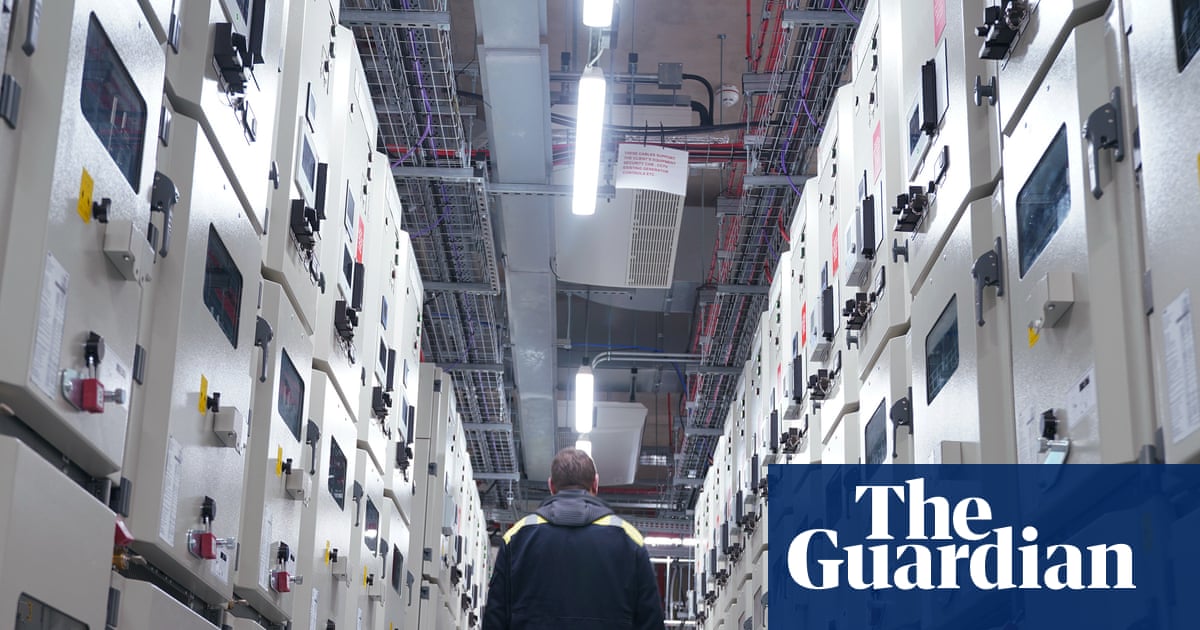
A Scottish Government initiative to promote data center construction poses significant risks regarding overlooked carbon emissions, as highlighted by the charity Action for Rural Protection Scotland (APRS). This policy emphasizes “green data centers,” integral to Scotland’s economic development and a broader UK effort to attract AI investment. However, the term lacks a clear definition, allowing projects to be labeled “green” while potentially ignoring their climate impacts.
Green MSP Ariane Burgess has called for more transparency around the energy demands of these centers, particularly as over a dozen are seeking planning permission, including a major AI growth zone in Lanarkshire that may consume around 6.2GW of power—1.5 times Scotland’s winter peak usage. The UK’s National Energy System Operator has encouraged developers to explore Scotland for its renewable energy access and fewer grid constraints.
Concern arises as some developers may receive preferential treatment for labeling their projects as “green,” despite high emissions contributions. An example is an Edinburgh data center planning to use 200 diesel backup generators—akin to 100,000 idling cars—while still being classified as “green” by local authorities.
The existing National Planning Framework 4 (NPF4) acknowledges “green data centers” but lacks a formal definition, with analysts suggesting emissions increases could be offset by decreased transportation emissions. However, this assessment, conducted before the rise of AI technologies, fails to account for the potentially vast energy needs of data centers.
In recent discussions, energy companies indicated over 100 projects seek gas connections due to delays in connecting to the national grid, raising concerns regarding compliance with climate targets. The Scottish Government emphasized the potential benefits of data centers in driving economic growth while aligning with net-zero goals.
Source link
