



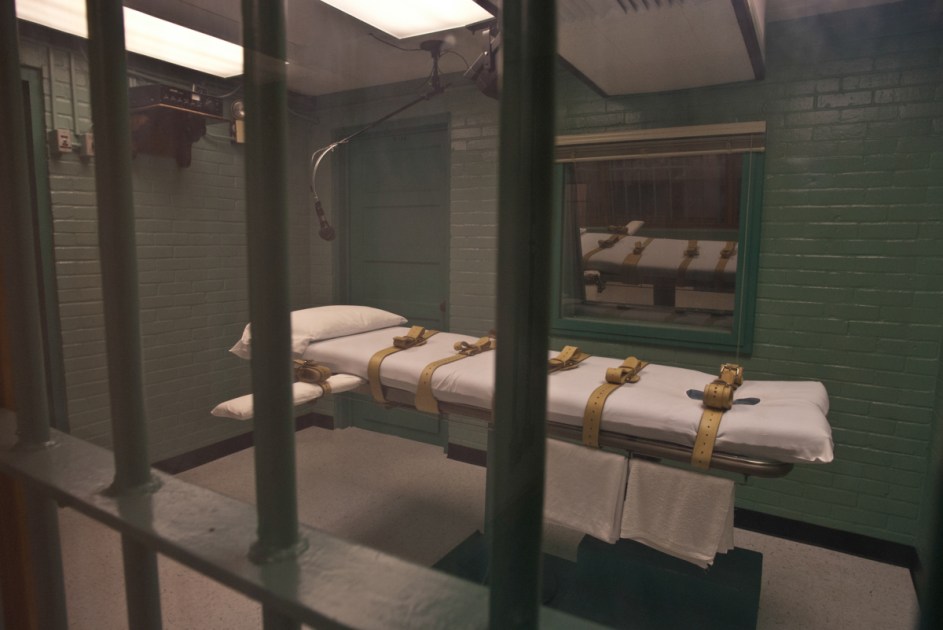
Texas executed its 600th inmate, Edward Buzbee, on Thursday, reinforcing its status as the U.S. leader in executions. Buzbee was convicted in 2005 for murdering 78-year-old Laura Crane. His execution proceeded after the U.S. Supreme Court lifted a stay order regarding concerns about his intellectual disability.
Buzbee, apologizing in his final statement, expressed regret over Crane’s death, claiming he never intended harm. Texas’s first execution took place over 43 years ago, and although recent years have seen a decline in executions, geographic disparities persist, with a significant concentration of death sentences from just a few counties, particularly Tarrant County.
Critics argue that the capital punishment system in Texas functions as a “deadly lottery,” disproportionately impacting Black defendants. Over 36% of executed individuals since 1982 were Black men, despite them comprising only 12% of the state’s population.
Recent reports reveal that 69% of capital murder cases in Tarrant County involved Black men, highlighting systemic racial inequality. Efforts to address these disparities include laws that limit the death penalty’s application, such as those exempting individuals with intellectual disabilities and mandating evidence disclosure to defense attorneys.
Currently, 166 individuals remain on Texas’s death row, with scheduled executions for more inmates in the coming months. The evolving legal landscape and public sentiment continue to shape the future of the death penalty in Texas.
Source link
