



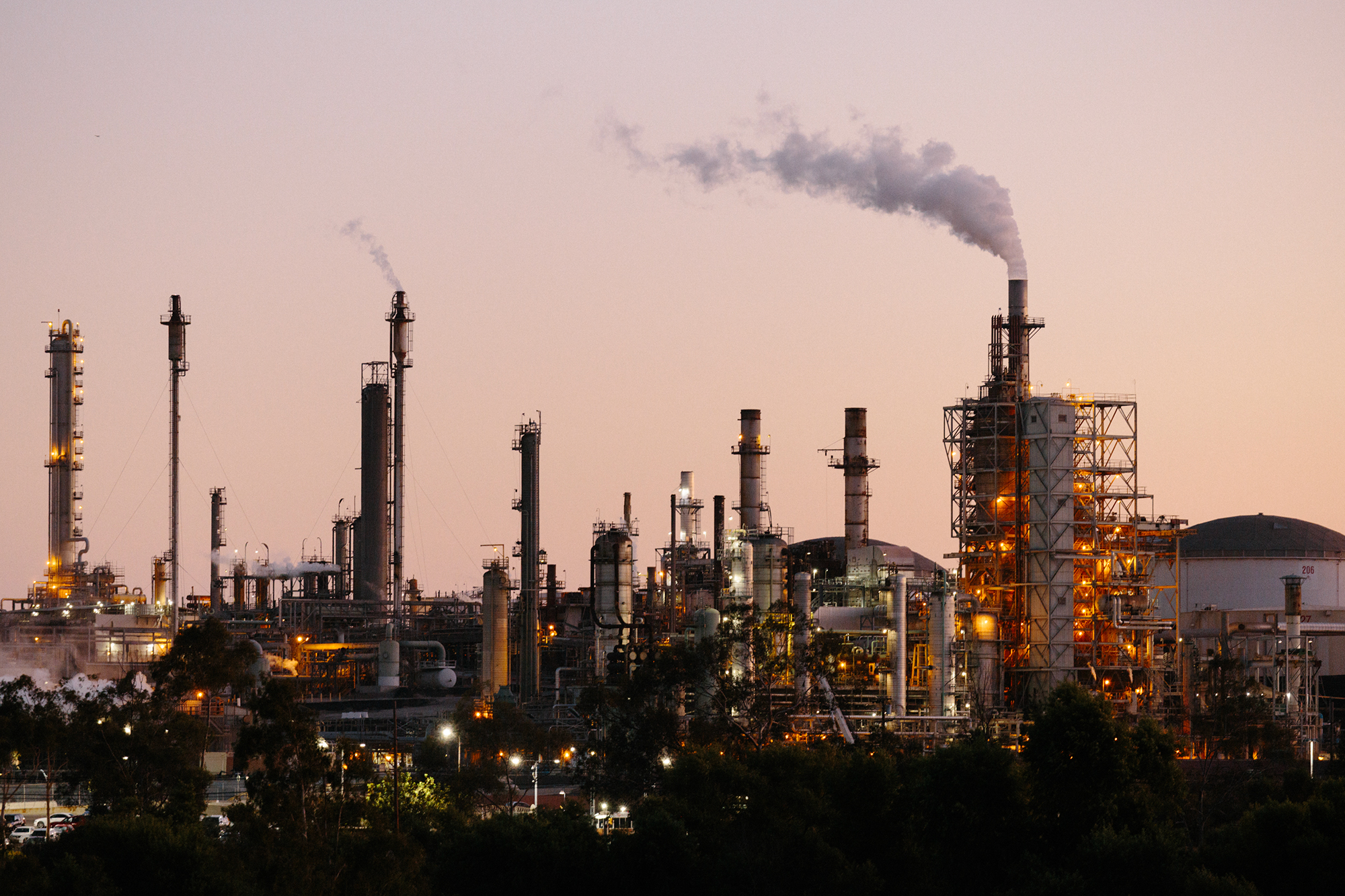
The article by Dan Walters discusses California’s evolving approach to reducing industrial carbon emissions. Initially, the state debated between facility-specific emissions limits and a cap-and-trade system. Ultimately, California adopted cap-and-trade in 2012, raising approximately $35 billion through quarterly auctions.
However, as emissions caps decline, auction revenues have recently dipped from a high of $8.1 billion in the 2023-24 fiscal year. While half of these funds support utilities to ease consumer costs, the remaining amounts are often criticized for their varied allocation, resembling a “slush fund.”
Recent legislative changes under Gov. Gavin Newsom, specifically Senate Bill 840 and Assembly Bill 1207, modified the program into “Cap and Investment,” prioritizing a consistent $1 billion annual allocation for the long-stalled Shinkansen project. Critics argue that new regulations could increase consumer costs and reduce overall auction revenues significantly, jeopardizing funding for other vital programs like wildfire prevention and housing.
As California’s budget faces deficits, the article raises concerns about the sustainability of this funding model, highlighting potential conflicts over funding priorities, notably between the bullet train project and wildfire prevention efforts. Newsom’s upcoming revised budget may address these financial challenges.
Source link
