



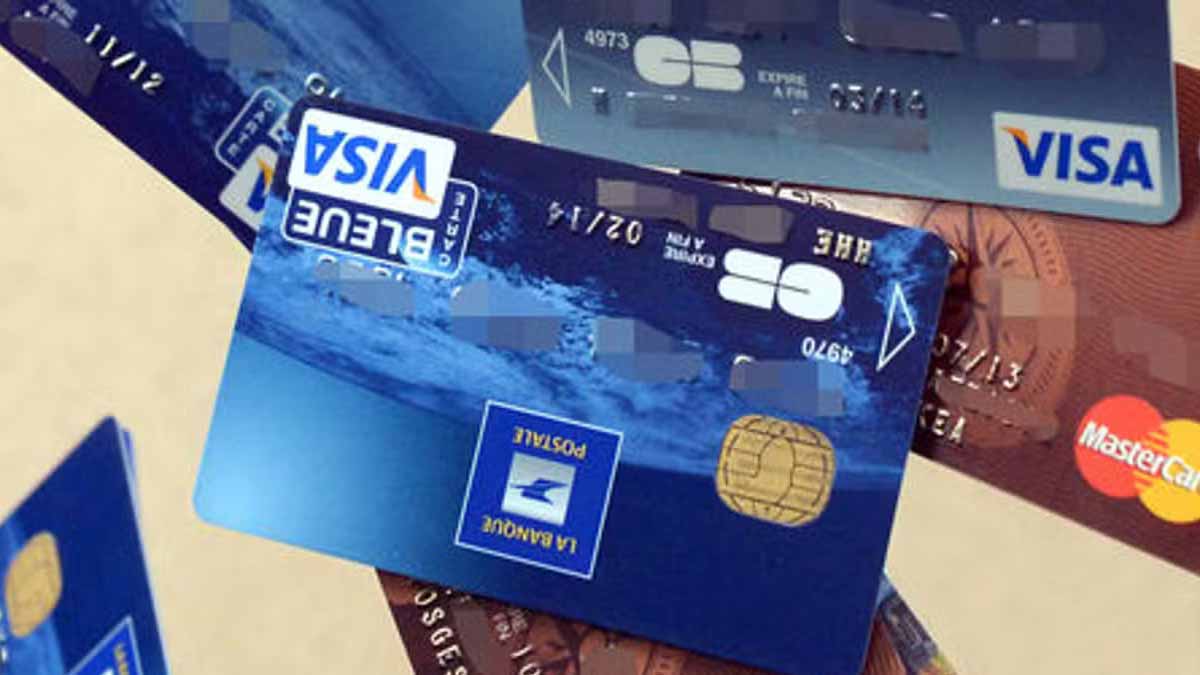
The rise of payment fraud has prompted security experts to recommend a simple yet effective countermeasure: discreet stickers on bank cards. These low-cost stickers obscure crucial information, such as CVVs and expiration dates, making it harder for criminals who rely on visual theft techniques like micro cameras or shoulder surfing. By blocking this visibility, stickers introduce a barrier that deters opportunistic thieves.
Additionally, users can apply a second sticker to create a fake PIN, further misleading attackers. This approach aligns with the principle of “privacy by design,” limiting the data visible to bystanders in crowded spaces.
A well-designed sticker does not interfere with daily card functions—transactions remain smooth and the card fits easily in wallets and readers. The subtle visuals help maintain a low profile, enhancing security while shopping. Despite some banks exploring alternative designs, many cards still display information conspicuously. Stickers provide a ready-made solution until card designs evolve.
Key features for effective stickers include an opaque surface, durability against daily wear, and a design that protects sensitive information without obstructing card functionality. This small adjustment can change the dynamics for attackers; if their visual data appears unreliable, they may abandon their efforts, effectively lowering their success rate.
Complementary practices, like regularly monitoring accounts and shielding PIN entries, enhance security further. These layered defenses, while simple, contribute to overall resilience against fraud.
Stickers are affordable, easy to use, and do not require any complex technology. They offer a straightforward way to enhance security without compromising convenience. While they won’t eliminate all risks, they significantly reduce opportunities for theft, providing users with peace of mind.
Source link
