



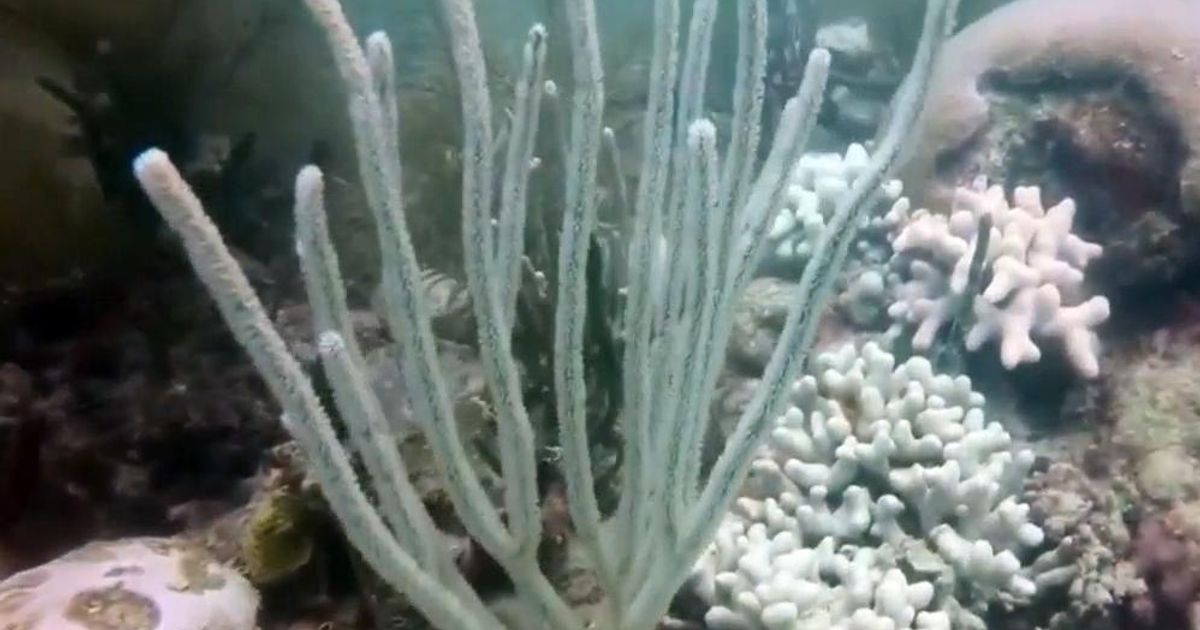
A team of scientists from the City University of New York has introduced a new "climate biostress monitoring system" to detect climate threats along the North Carolina coast before they lead to serious issues like flooding or health problems. Published in Cell Reports Sustainability, this system tracks biological stress signals—from microbes and plants to humans—prompted by climate change, serving as early warnings for future impacts.
The researchers highlight that living organisms respond to climate pressures before humans do; for instance, plants alter their chemistry during droughts, and hospitals record increased heat-related illnesses during extreme weather. The goal is to provide cities with a real-time predictive tool, moving away from reactive responses to climate events.
North Carolina exemplifies the urgent need for this system, facing rising heat, flooding, and coastal erosion. The proposed approach integrates environmental and public health data, enabling a comprehensive view of community vulnerabilities.
The authors advocate for enhanced coordination among monitoring efforts, asserting that many agencies still collect climate data separately. Early detection could help cities prepare for various climate challenges, securing resources and protecting at-risk communities. While the framework is not fully developed, the researchers argue that cities can start building pilot systems now to mitigate escalating climate stress costs.
