



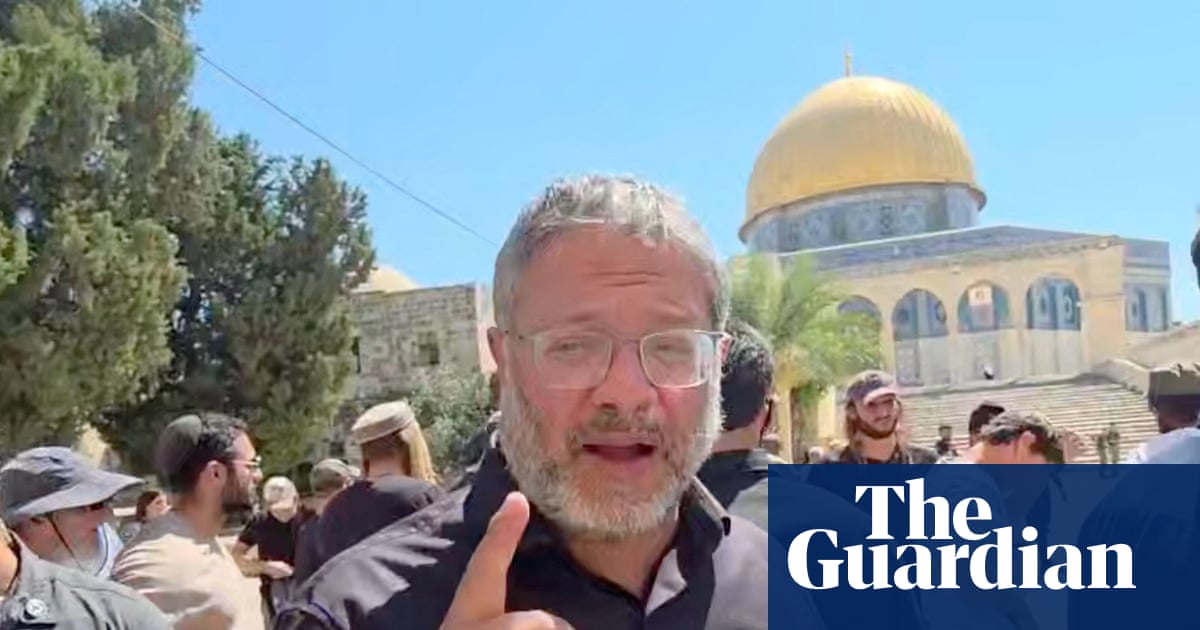
On Thursday, Israeli Minister of National Security Itamar Ben Gvir led thousands of Jewish extremists in a provocative gathering at Jerusalem’s sensitive holy sites, despite a long-standing agreement, the Status Quo, which prohibits non-Muslim prayers at the site known to Muslims as al-Haram al-Sharif and to Jews as the Temple Mount. Accompanied by armed police, participants prayed, waved flags, and sang national anthems, challenging existing norms.
Ben Gvir has previously undermined this agreement through inflammatory visits and changes allowing Jewish prayers and religious materials at the site. His appointment of a supportive police chief has facilitated these actions. The Palestinian Ministry of Religious Endowments condemned these “provocative acts,” fearing they could ignite a religious conflict in the region.
Thursdays are significant, marking Tisha B’Av, commemorating the destruction of the ancient Jewish temples. Notably, past alterations to the status quo have led to escalated tensions, including the second Palestinian intifada triggered by a provocative visit in 2000. Recent events have intensified concerns, especially after Hamas referred to a violent October 2023 attack as the “al-Aqsa flood,” linking it to Israeli actions at the holy site.
Israeli activist group Peace Now characterized the prayers as dangerous provocations. Jordan’s Foreign Ministry condemned these actions, urging international intervention against Israel’s violations. Reports indicated that over 3,200 Israelis entered the compound that morning, with expectations of more in the afternoon.
Despite the tensions, Prime Minister Benjamin Netanyahu supported Ben Gvir’s changes, asserting they were coordinated and did not violate the Status Quo, a claim contested by critics who argue that his government’s actions have destabilized it. The evening saw violent incidents in Old Jerusalem, leading to arrests of Jewish individuals involved in attacks against Palestinians and vandalism of a Muslim cemetery.
Source link
