



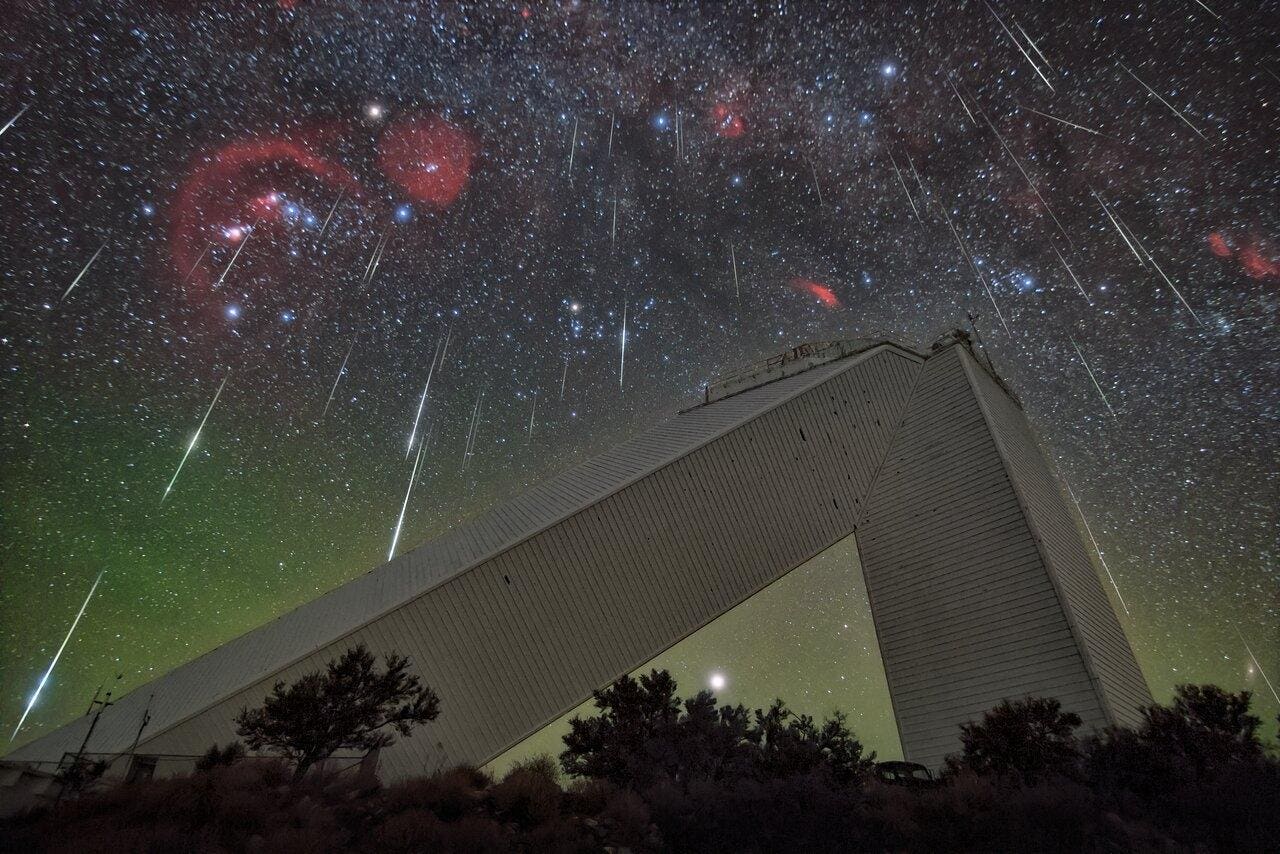
The article highlights an exciting week for astronomy enthusiasts, featuring a new moon on July 14, 2026, which will create ideal conditions for stargazing. Following the new moon, observers can spot the waxing crescent moon near the bright star Regulus and Venus, while “Earthshine” becomes visible. The annual Perseid meteor shower will commence, running from July 17 to August 24, with peak viewing on the nights of August 12-13. Under optimal dark sky conditions, up to 100 meteors per hour may be seen. The article also notes the significance of the constellation Lyra, anchored by the bright star Vega, while encouraging casual skywatchers to observe the moon’s phases throughout the week.
Source link
