



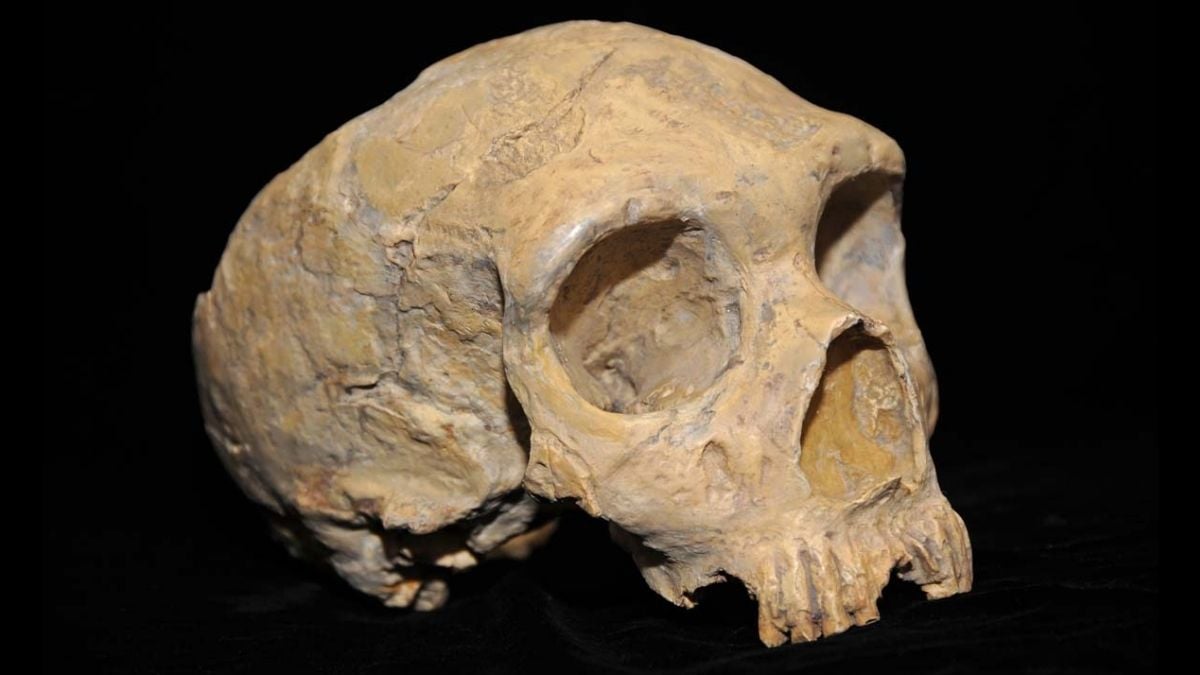
New evidence suggests that genetic degradation may not have been the primary reason for Neanderthal extinction. Recent genetic analyses of 27 Neanderthal remains from northwestern Europe indicate that these last Neanderthals were not significantly inbred, challenging previous theories that linked their disappearance around 40,000 years ago to genetic decline from inbreeding.
The study, led by evolutionary anthropologist Alba Bossams Mesa from the Max Planck Institute for Evolutionary Anthropology, utilized advanced genetic techniques on specimens that were previously studied. These specimens include some that were discovered as far back as the 19th century, yet only now are providing detailed genetic data. The findings show no evidence of increasing genetic load or reduced diversity over time among these Neanderthals, suggesting they were part of a connected regional population with healthy genetic exchange.
Contrary to earlier beliefs about isolated populations facing demographic vulnerability, this research highlights that Neanderthals in Belgium and France were part of diverse groups that experienced low inbreeding levels. This suggests that the reasons behind their extinction might have varied geographically, influenced by various environmental changes rather than solely genetic factors.
Moreover, the analysis raises the possibility that Neanderthals might not have completely disappeared but instead could have been absorbed into modern human populations. Genetic evidence indicates that while modern humans have inherited some Neanderthal DNA, the reverse has not been observed. Thus, the relationship between the two species remains complex and interconnected.
The study underscores the need for further exploration of this genetic interplay to unravel our shared history. The findings were published in the journal Nature.
Source link
