



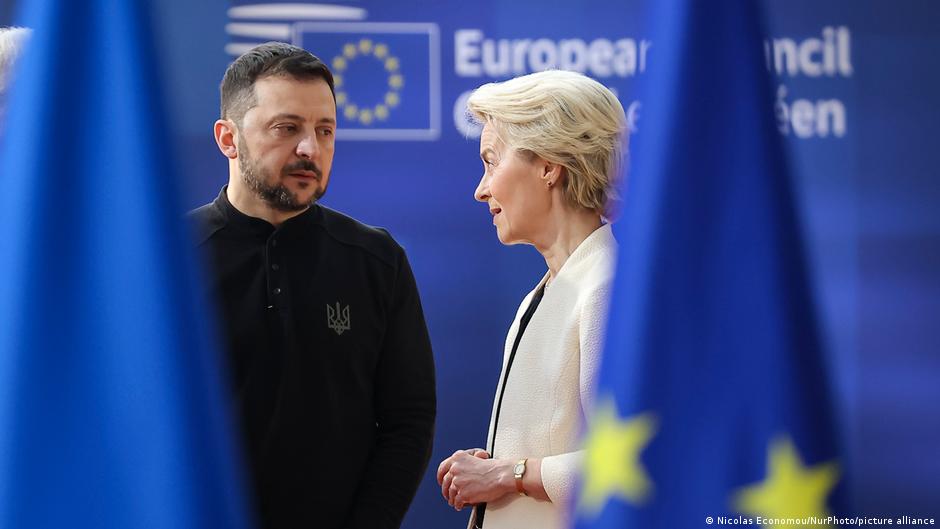
On Monday, the EU and Ukraine formally initiated the first phase of accession negotiations, a move accelerated by Russia’s invasion of Ukraine in 2022. The process had been stalled for two years due to a veto from Hungary’s former Prime Minister, Viktor Orbán. However, Hungary’s new Prime Minister, Piotr Magyar, has reached an agreement with Ukraine to protect the rights of the Hungarian minority, allowing negotiations to resume.
European leaders hailed this development, with European Council President Antonio Costa emphasizing it as a historic step for Ukraine’s EU future. European Commission President Ursula von der Leyen recognized Ukraine’s progress on reforms, and Ukrainian President Volodymyr Zelenskiy noted this sends a strong message about Europe’s unwavering progress.
The accession process requires countries to meet EU standards divided into six clusters, with compliance requiring approval from all existing member states. This lengthy process could take years, especially given the ongoing conflict in Ukraine.
Some European leaders have suggested a “two-tier membership” approach to expedite Ukraine’s integration, offering a special “associate member” status for participation in EU discussions, though this idea faces resistance from Ukraine and uncertainty within EU countries. Other proposals for partial membership have also been met with skepticism in Brussels.
Source link
