



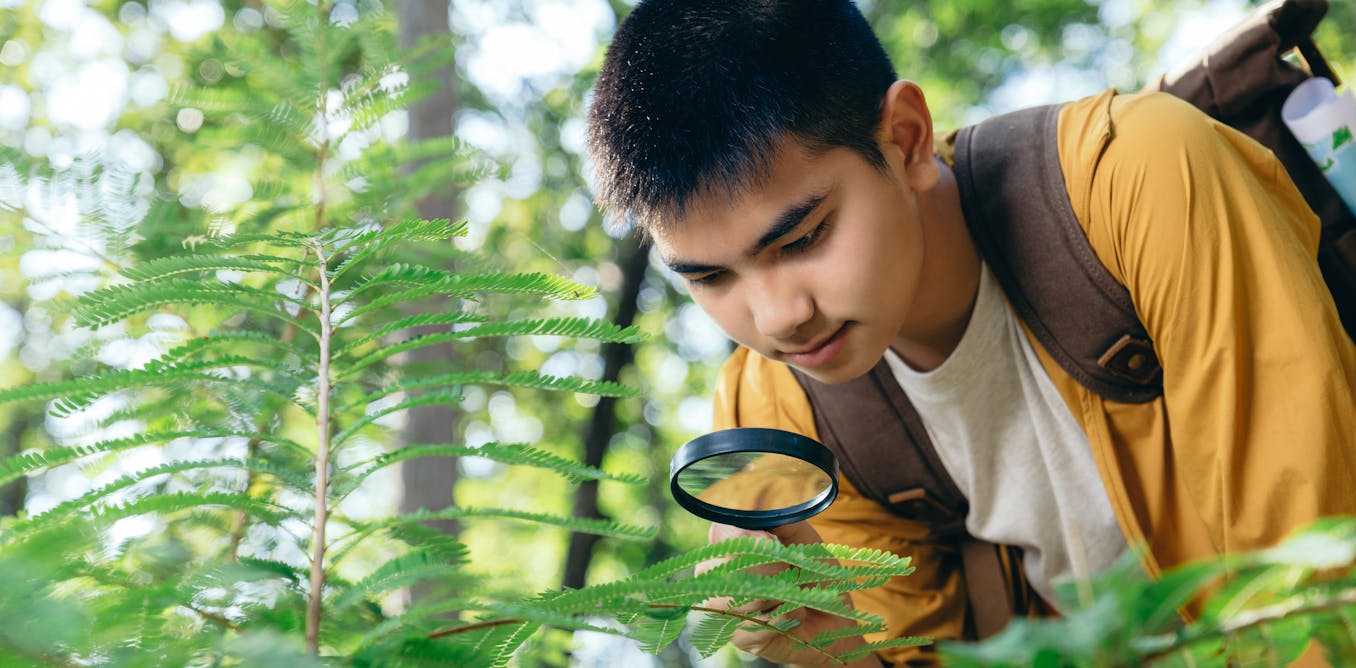
Many undergraduate ecology and evolution students lack practical experience with nature, having never used binoculars or learned to identify plants and insects. This gap in hands-on learning stems from a biology curriculum that emphasizes cellular concepts over biodiversity.
Environmental activist Mary Colwell’s campaign for a GCSE in natural history aims to address this deficit. The proposed curriculum focuses on teaching students to identify native species across various environments, fostering an understanding of biodiversity and the human impacts on ecosystems.
The curriculum includes 20 hours of fieldwork, which is less than in some other subjects, limiting students’ direct engagement with nature. To cultivate curiosity, the curriculum encourages the use of nature diaries and emphasizes real-world observation.
While the content is relevant to UK habitats, it risks being perceived as niche. To appeal broadly, it’s important to integrate aspects of health and art into the curriculum, connecting nature education with mental well-being and creativity. The hope is that this approach will enrich students’ ecological literacy and enhance their appreciation for the natural world.
Source link
