



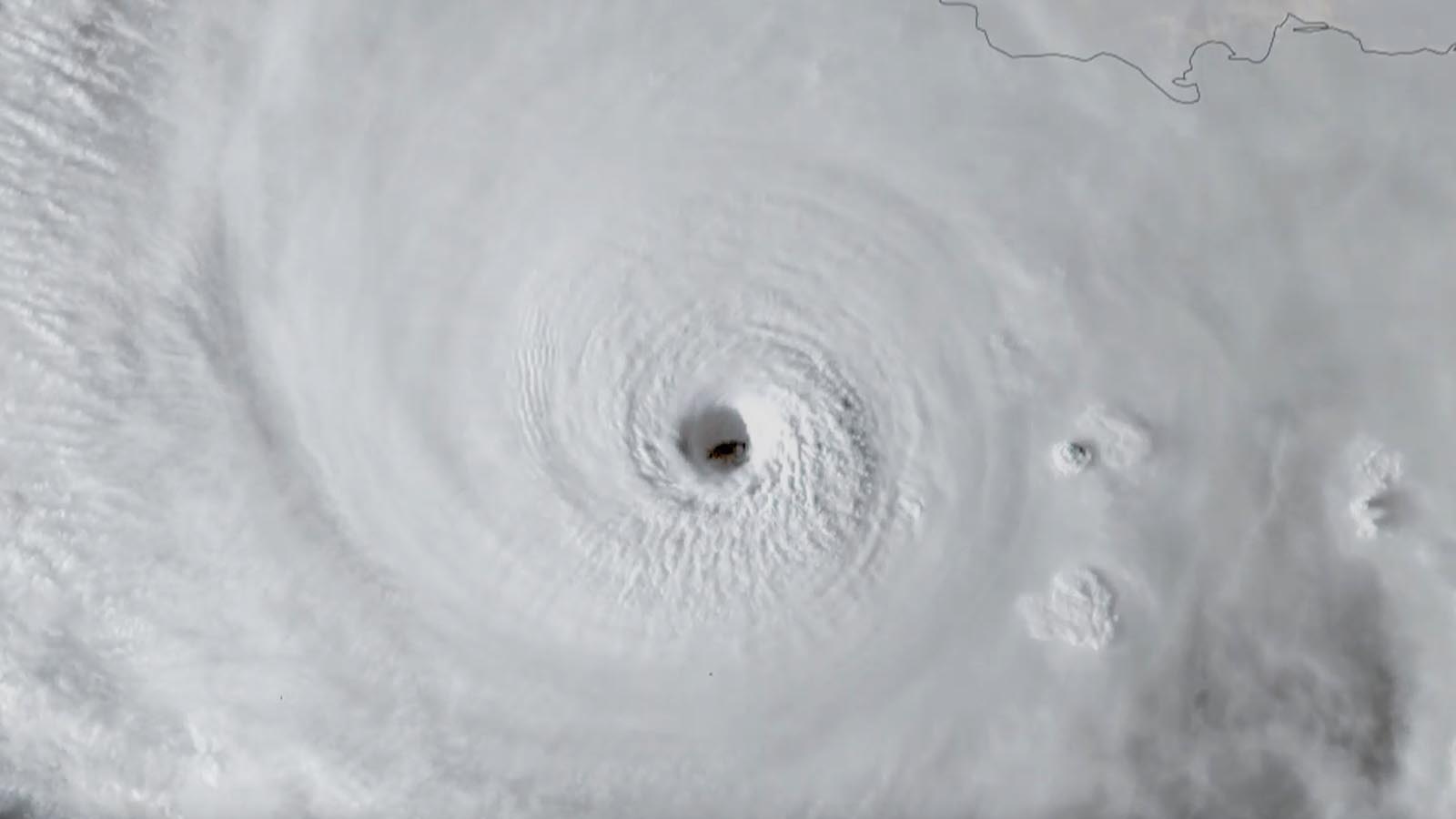
On June 10, 2026, Phil Klotzbach and Colorado State University released a forecast for the Atlantic hurricane season, predicting below-average activity. The updated forecast suggests a maximum of 11 named storms, with up to five potentially becoming hurricanes and two major hurricanes—40% lower than the long-term average.
The primary factor behind this forecast is the presence of El Niño, which officially began on June 11 and is expected to intensify. El Niño leads to increased wind shear in the Atlantic, hindering storm formation. Historical analog years, such as 1957 and 2015, also exhibited similar patterns of below-average storm activity during strong El Niños.
Despite the lower activity forecast, experts warn that even weak seasons can still produce significant storms. The probability of dangerous landfalling storms is notably lower across U.S. coasts compared to historical averages. Last year’s hurricane season was above average, highlighted by destructive Hurricane Melissa, which led to extensive damage and loss of life in the Caribbean.
The NOAA has increased the likelihood of a “very strong” El Niño event, with substantial implications for global weather patterns, affecting not just hurricanes but also droughts and rainfall in the tropics and mid-latitudes of North America. Historically, such strong El Niño events have influenced hurricane activity, which remains a concern despite the forecast for a quieter season.
Source link
