



California’s Sustainable Agricultural Land Conservation Program (SALC) is facing funding challenges that threaten its effectiveness in protecting farmland and combating climate change. Over the past decade, SALC has successfully funded 260 projects that conserved 279,000 acres of farmland, preventing 3.3 million tons of carbon emissions last year alone—equivalent to removing 724,000 cars from the road. Despite being one of the most cost-effective greenhouse gas reduction programs, SALC receives only a small percentage of the Greenhouse Gas Reduction Fund.
The demand for SALC greatly exceeds its funding, showcasing its importance to farmers, ranchers, and conservation entities. The program preserves farmland, which emits significantly fewer greenhouse gases compared to developed land, thus supporting food security and California’s agricultural economy.
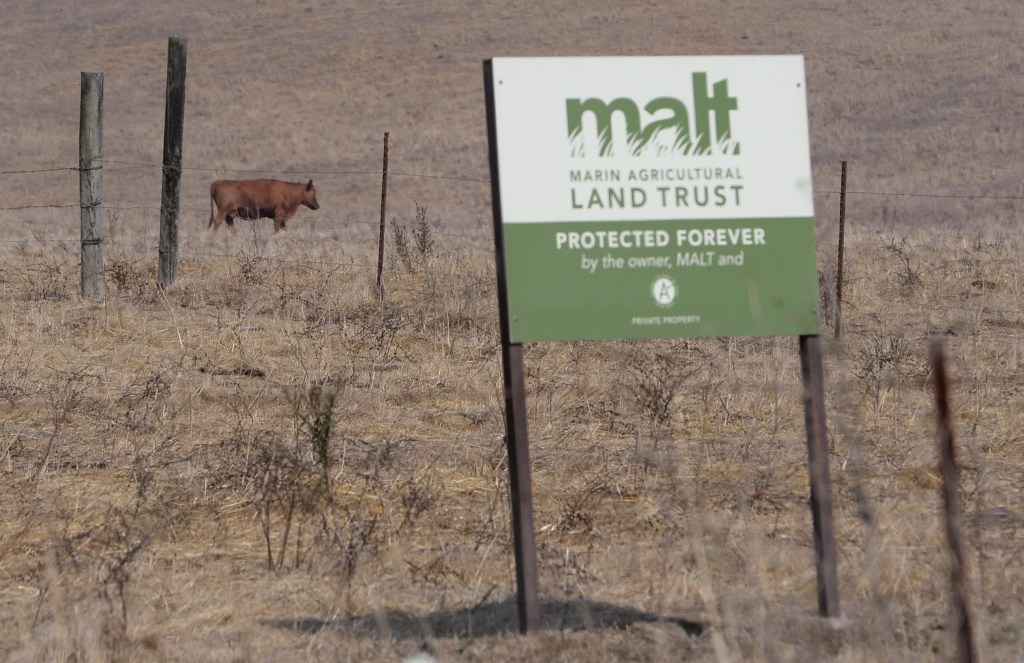
Unfortunately, California continues to lose farmland at an alarming rate, averaging 37,000 acres annually. Marin County, where farms and ranches contribute to local identity and economy, has benefited from SALC funding, successfully protecting several key ranches. Public funds, including SALC, are essential for these conservation efforts.
Without SALC’s continued funding, California risks losing vital farmland and its associated climate benefits. Advocates are urging the Legislature to secure $90 million to sustain the program and meet rising needs, emphasizing the critical nature of preserving agricultural land for future generations.
Source link
