



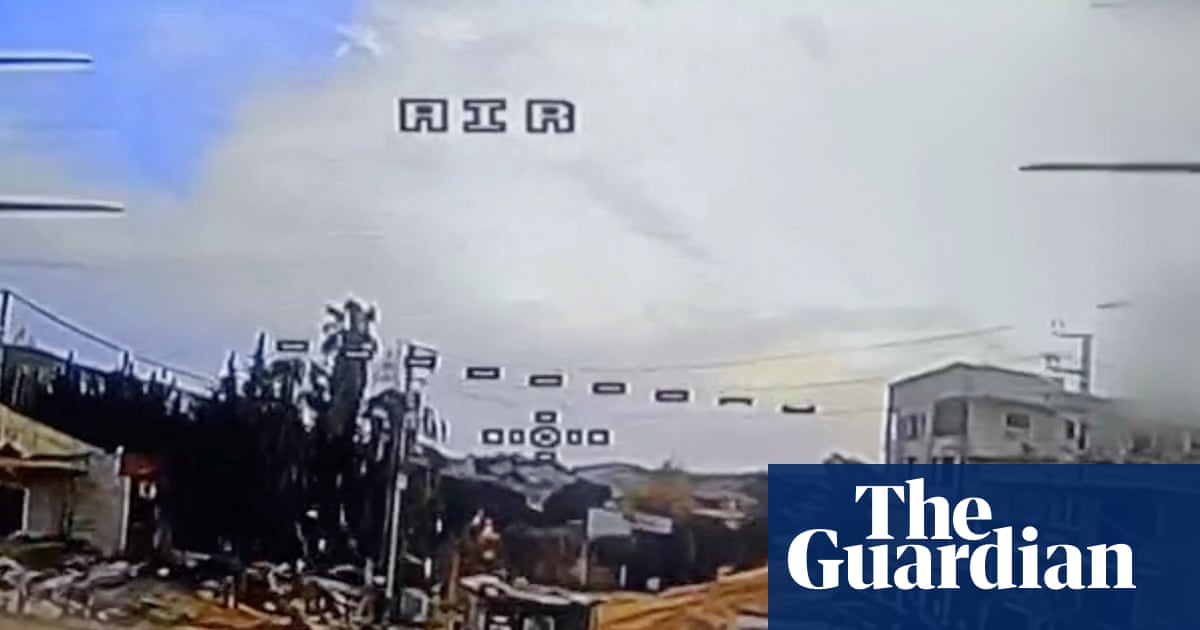
Three Israeli soldiers were killed and injured by an FPV drone in southern Lebanon, underscoring the growing effectiveness of such drones in Hezbollah’s guerrilla warfare against Israel. Unlike traditional drones, FPV drones are linked to their operator via fiber optic cables, making them resistant to electronic warfare and difficult to intercept. Hezbollah has increasingly relied on these inexpensive, locally manufactured drones, largely due to supply chain disruptions stemming from regional conflicts.
The use of FPV drones has forced Israel to reassess its military strategies, particularly in its buffer zone in southern Lebanon, as these drones can cover significant distances. Israel’s Iron Dome system has struggled to counter these small, agile threats. Military officials are now intensifying research and development efforts to enhance their defensive capabilities.
Hezbollah’s adaptation of drone tactics mirrors strategies observed in recent conflicts, particularly in Ukraine, where similar drones have dramatically influenced battle dynamics. The propaganda value of FPV drone footage in instilling fear and boosting morale has also been noted, as seen in videos showcasing attacks and their consequences.
Experts suggest that FPV drones can significantly alter the balance of power in asymmetric conflicts, enabling groups like Hezbollah to challenge better-equipped militaries through attrition rather than swift victories.
Source link
