



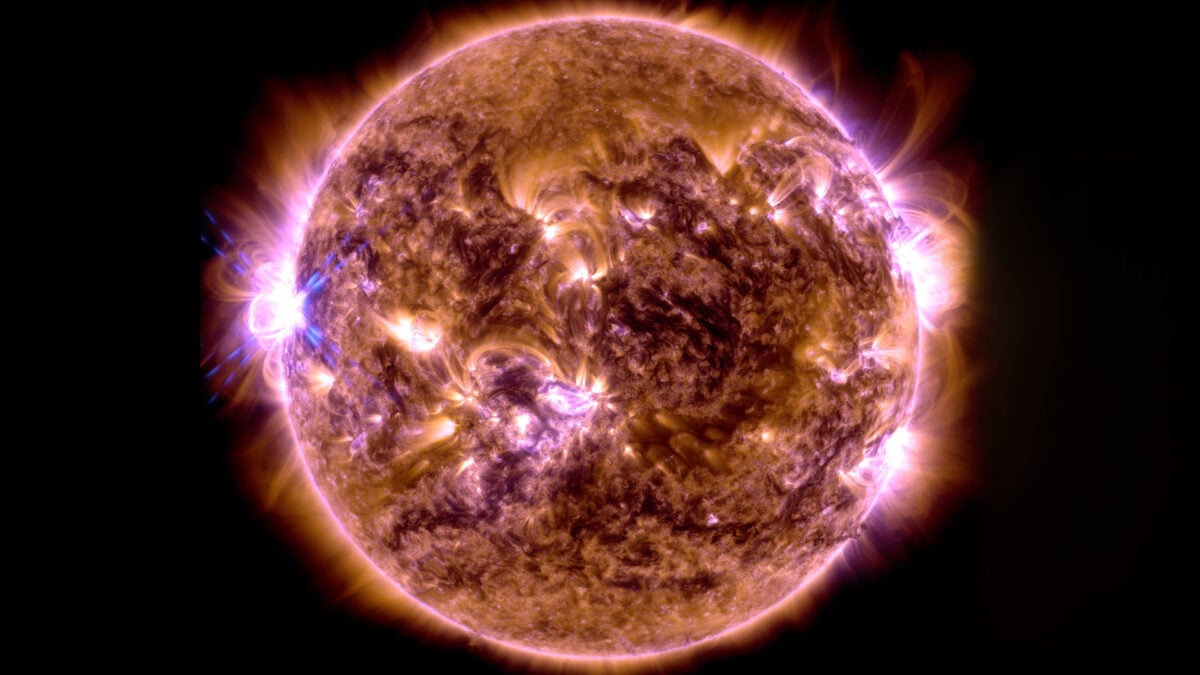
Researchers in Japan are investigating a potential link between solar activity and earthquakes, as discussed in a recent study from Kyoto University. The paper, published in the International Journal of Plasma Environmental Science and Technology, proposes that disturbances from solar flares could affect the Earth’s upper atmosphere and create electrical forces that might trigger shifts in the Earth’s crust under certain conditions.
Lead author Ken Umeno clarifies that they are not claiming solar flares directly cause earthquakes; rather, if a fault is already under stress, even minor disturbances could push it to rupture. The study models the Earth’s crust and ionosphere as a massive electrical circuit influenced by solar phenomena. Solar flares increase electron density in the ionosphere, which can disrupt the electrostatic balance in the Earth’s crust, especially on stressed faults.
The research cites the devastating Noto Peninsula earthquake on January 1, 2024, which occurred shortly after a powerful solar flare, raising questions about potential correlations. However, some experts express skepticism about the findings, labeling them speculative and noting a lack of rigorous evidence supporting the proposed mechanism linking solar flares and seismic events. Critics argue the paper relies on coincidental occurrences rather than statistical analysis.
Umeno acknowledges the critiques but insists that their exploration could yield valuable insights into the relationship between solar activity and earthquakes. He plans for further analysis to validate their model, admitting that conclusive evidence could either support or refute their hypothesis. This study highlights a complex interaction between cosmic and seismic events, emphasizing the need for ongoing research.
Source link
