



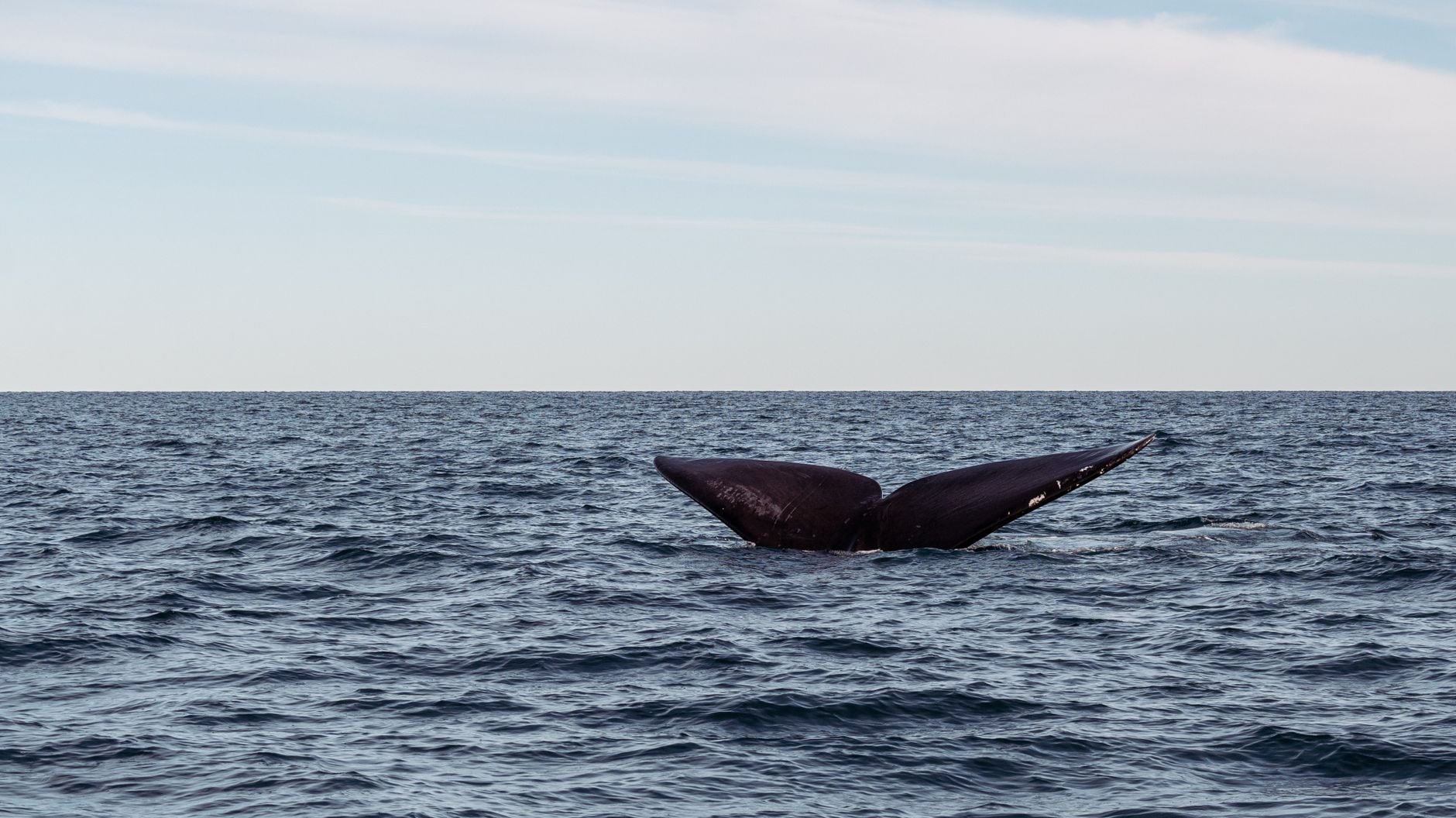
Blue whales, the loudest animals on Earth, communicate using low-frequency calls that can be heard over long distances by other blue whales but may go unnoticed by their primary predator, the killer whale. This surprising discovery suggests that the vast acoustic range of blue whale calls allows them to effectively communicate while remaining hidden from threats.
Blue whales produce deep, powerful signals typically below human hearing ranges, while killer whales rely on higher frequencies for echolocation and communication. Although killer whales can detect blue whale sounds, their hearing sensitivity in the low-frequency range is limited, making it difficult for them to hear calls over distances greater than a kilometer.
Research indicates that blue whale vocalizations function like unique acoustic fingerprints, enabling scientists to track different populations historically. The underwater sound environment poses challenges due to background noise from human activities, potentially masking blue whale calls essential for communication and mating.
Moreover, studies have shown changes in blue whale songs related to food availability and ocean heatwaves, emphasizing their adaptive nature in response to environmental changes. This selective audibility allows blue whales to maintain communication while avoiding detection by killer whales, showcasing an intriguing survival strategy.
The findings underscore the necessity for conservation efforts, as increasing ocean noise from industrial activities could disrupt these vital communication channels, impacting blue whale populations that are already endangered. Understanding the unique acoustic dynamics of blue whales is crucial for their survival in an increasingly noisy ocean.
Source link
