



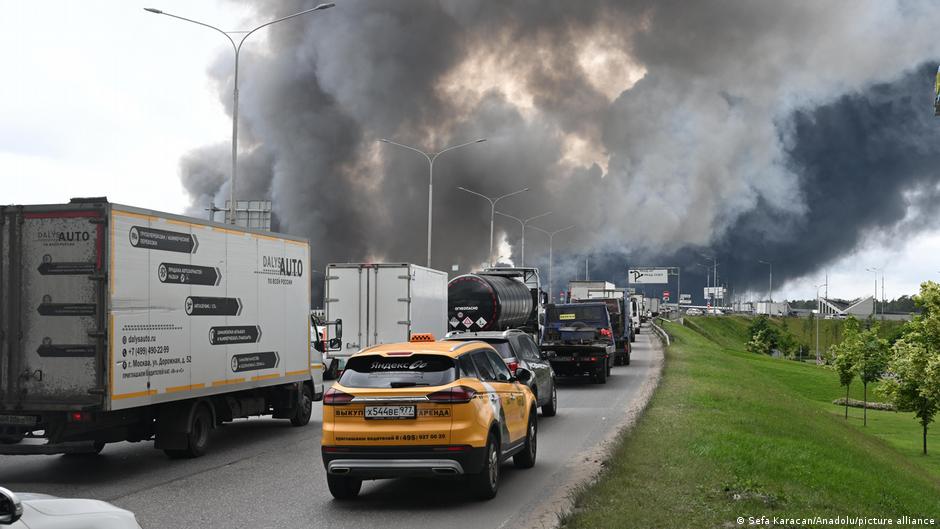
Ukrainian drones are increasingly adept at circumventing Russian air defenses and targeting critical infrastructure, evidenced by a significant attack on Moscow on June 18. This strike, the largest since the onset of the full-scale invasion, damaged a major oil refinery supplying 40% of the region’s fuel and caused evacuations at Moscow’s largest airport.
Experts, including military analyst Ruslan Leviev, highlight a faltering in Russia’s defense capabilities, despite claims that over 90% of drones were intercepted. Ukrainian advancements in drone technology and flight planning, combined with weaknesses in Russia’s air defense systems—which struggle with small, low-visibility drones—have enabled successful attacks.
Challenges like Russia’s vast territory and urban density further facilitate drone operations. Simultaneously, a redeployment of defense resources to occupied territories has left Russia’s defenses fragmented. Reports suggest shortages in long-range missile systems, exacerbated by sanctions and repurposing for ground attacks, limiting Russia’s air defense efficacy.
The Kremlin has attempted to downplay the impact of these incidents, focusing on narratives that maintain public support for ongoing military actions against Ukraine. As drone warfare evolves, experts warn that both sides will face challenges in managing large-scale attacks due to limitations in hardware supply.
Source link
