



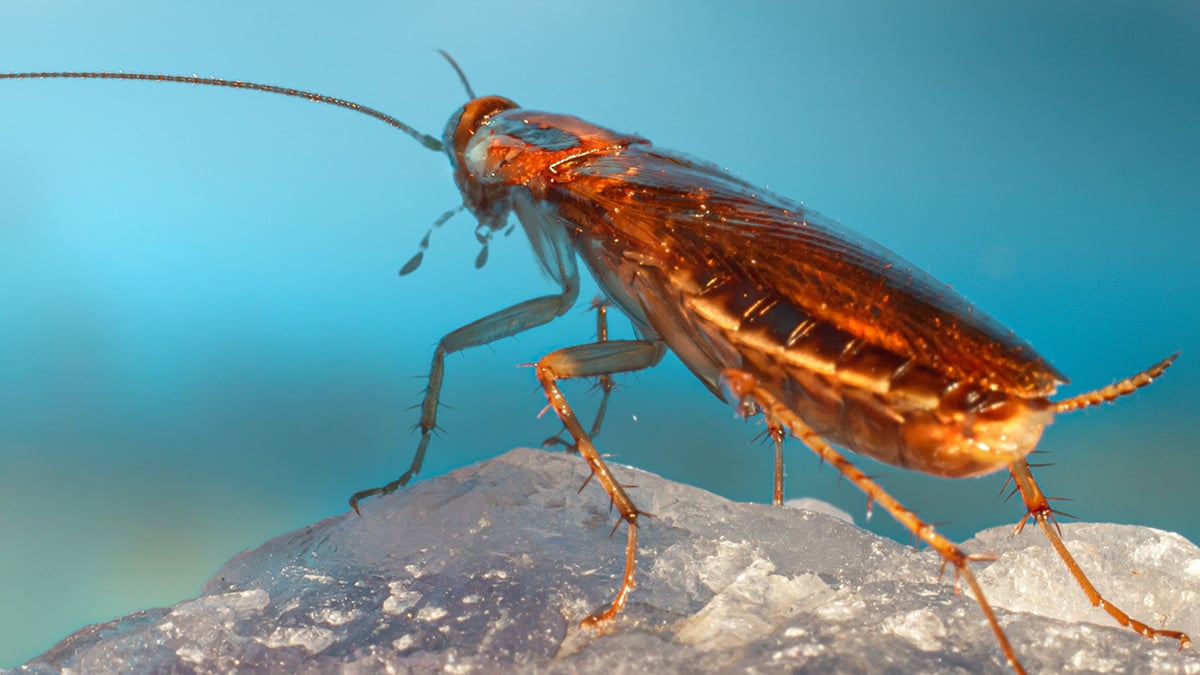
A study from the University of Sydney has revealed surprising new findings about the cockroach genome, specifically regarding horizontal gene transfer (HGT). Contrary to common beliefs, cockroaches have incorporated vast amounts of DNA from the bacterium Blattabacterium quenoti, which aids in nitrogen recycling. Researchers discovered that cockroaches possess around 40,485 fragments of this foreign DNA, significantly more than the previously recorded cases in complex organisms.
The study analyzed the genomes of 18 cockroach and termite species, noting that while termites share a common ancestor with cockroaches, they lost the B. quenoti bacterium during evolutionary divergence. The researchers found that among these DNA fragments, some date back over 28.7 million years and may play functional roles, even if their specific purposes remain unknown.
Typically, genes are passed vertically from parents to offspring, whereas HGT occurs when cells from different species are in close contact. This means cockroach genomes have become more versatile over time, enhancing their evolutionary robustness. Nonetheless, some transferred genes may even be detrimental, yet have persisted due to limited evolutionary pressures against them.
The study underscores that HGT is more prevalent in eukaryotes than previously thought and suggests further research is needed to understand the functional implications of these DNA insertions, potentially revealing insights into genome evolution across other species as well.
Source link
