



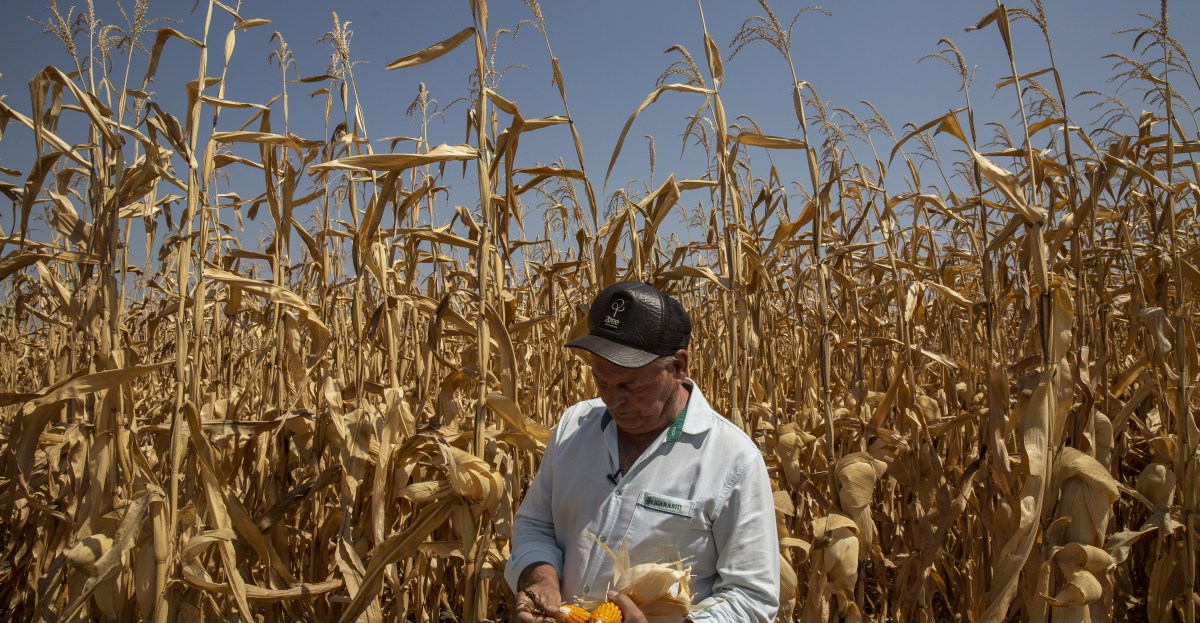
The article discusses the escalating impacts of extreme heat on Brazil, particularly through recent heatwaves that have severely affected agricultural yields, including soybeans, corn, and livestock. A report from the World Meteorological Organization and the Food and Agriculture Organization outlines the alarming trends of heat-related agricultural challenges not only in Brazil but worldwide, demonstrating how climate change is worsening food security.
Brazil’s agriculture faces significant pressures from rising temperatures and erratic weather patterns, with major crops suffering declines. The report also highlights similar climate impacts in various countries, mentioning incidents like the massive salmon die-off in Chile and crop failures in the U.S. and India due to extreme heat events.
As global warming accelerates, predictions indicate that many regions could experience dangerous heat conditions, posing severe risks to outdoor workers. Over 70% of the global workforce, approximately 2.4 billion people, is already threatened by extreme temperatures, leading to calls for immediate action to protect agricultural workers and promote resilience against these changes.
While the report provides vital data and recommendations for agricultural adaptation, critics argue it lacks a clear focus on protecting workers, emphasizing the need for a more inclusive approach that integrates workers’ health with agricultural policy. This oversight highlights a disconnect in addressing human vulnerabilities in the face of escalating climate challenges, despite recognition from UN officials about the urgency of the issue.
Source link
