



The head of Japan’s largest auto lender, Sanjiv Yajnik from Capital One, views the rise in consumer auto debt and soaring used car prices with less concern than many in the industry. He argues that consumer spending on cars remains stable relative to income, with a payment-to-income ratio holding steady at about 10% since 2019. Although average monthly car payments have increased, the majority of financed buyers spend less than the 15% threshold of income.
However, to maintain affordability, many consumers are opting for longer loan terms, leading to concerns about negative equity—where buyers owe more on their loans than their cars are worth. Currently, around 26% of used vehicles traded in have negative equity, with average deficits rising significantly since 2019. This trend, fueled by a chip shortage, complicates buyers’ financial situations as they may need to keep their cars longer to build equity.
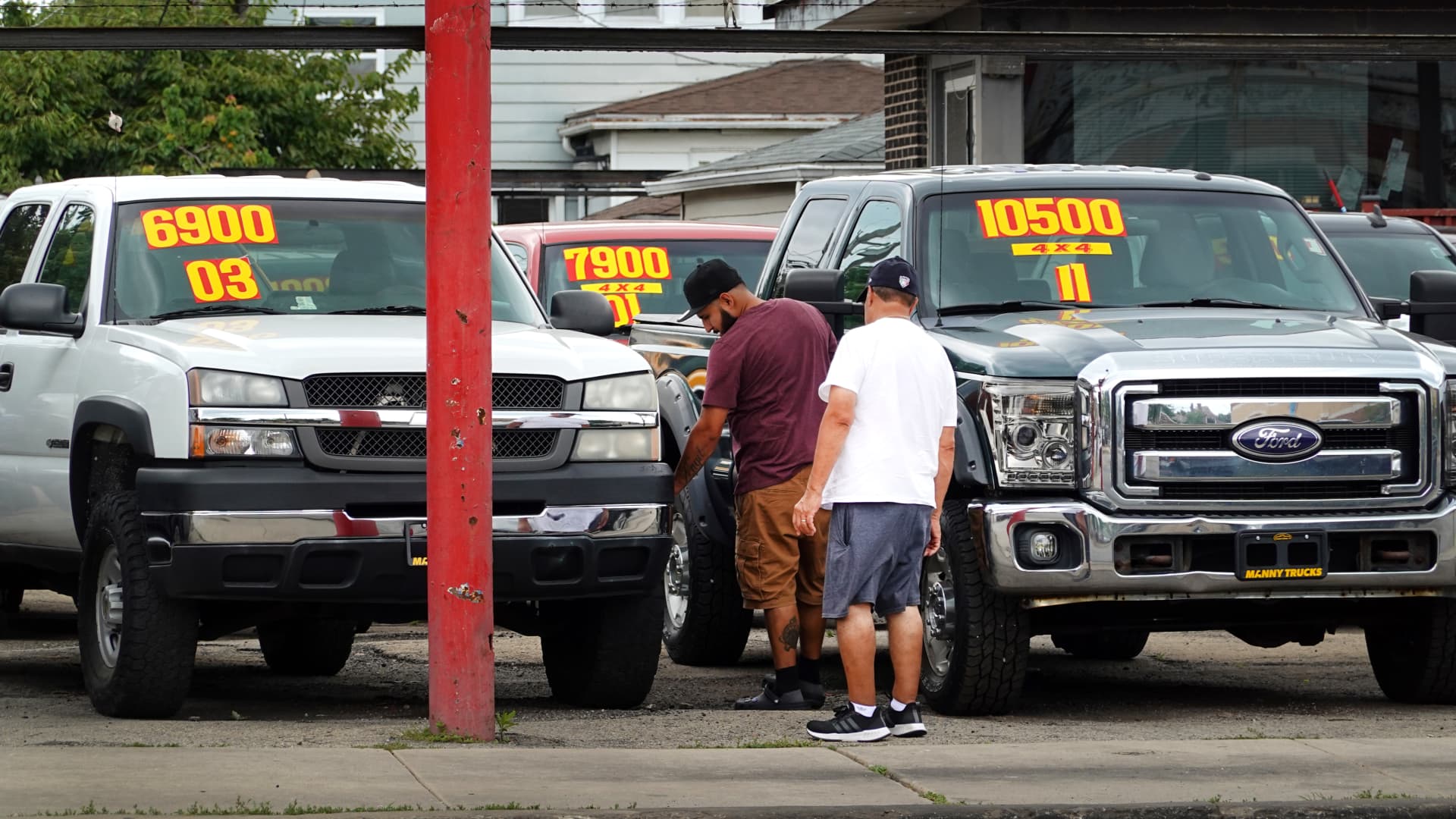
While Yajnik believes this cautious approach to car financing is healthier, others warn that it can lead to financial strain if vehicles require costly repairs. Overall, the average price for a used car stands at approximately $25,390, compared to $48,667 for new cars, prompting consumers in lower income brackets to choose longer, more manageable payment plans.
Source link
