



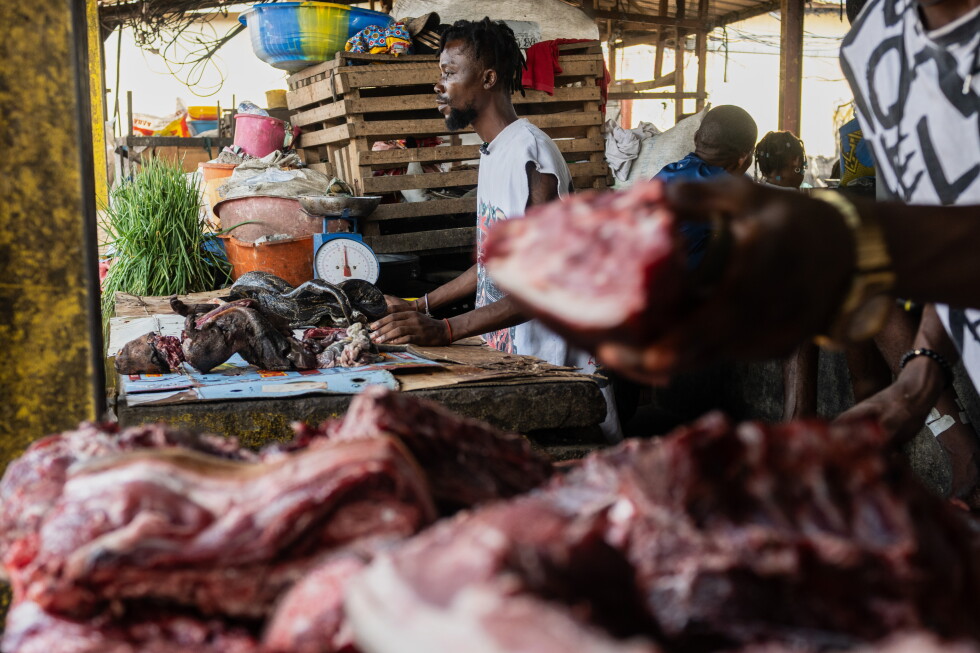
In Kinshasa, Congo, wild meat is a crucial part of the local culture, sold discreetly in markets where customers often need to ask vendors for specific items like giant swamp rodents or antelope parts. Despite the ongoing Ebola outbreak in eastern Congo, demand for wild meat remains high, as it is a significant source of protein for many locals.
Ebola is linked to the handling and consumption of infected animals, highlighting the risks involved in hunting. The current outbreak, declared an epidemic on May 15, has resulted in over 1,000 suspected cases and at least 220 deaths. Experts emphasize that outbreaks often stem from interactions between humans and wildlife, particularly as communities continue to rely on hunting for survival.
While the Congolese government has banned hunting endangered species like great apes, illegal hunting persists. The trade in wild meat, known locally as viand de brouse, amounts to around 4.5 million tonnes annually, posing threats to biodiversity and public health.
Public health advocates stress the need for education about the origins and spread of Ebola, particularly in areas where cultural practices include consuming wild meat. Despite the risk, changing these long-standing traditions is challenging. Recent market observations show declining offerings of monkey meat, a known Ebola reservoir, while other game remains available for sale.
Overall, the interplay between cultural dietary practices, wildlife conservation, and public health underscores the complexities facing communities in the Congo Basin.
Source link
