



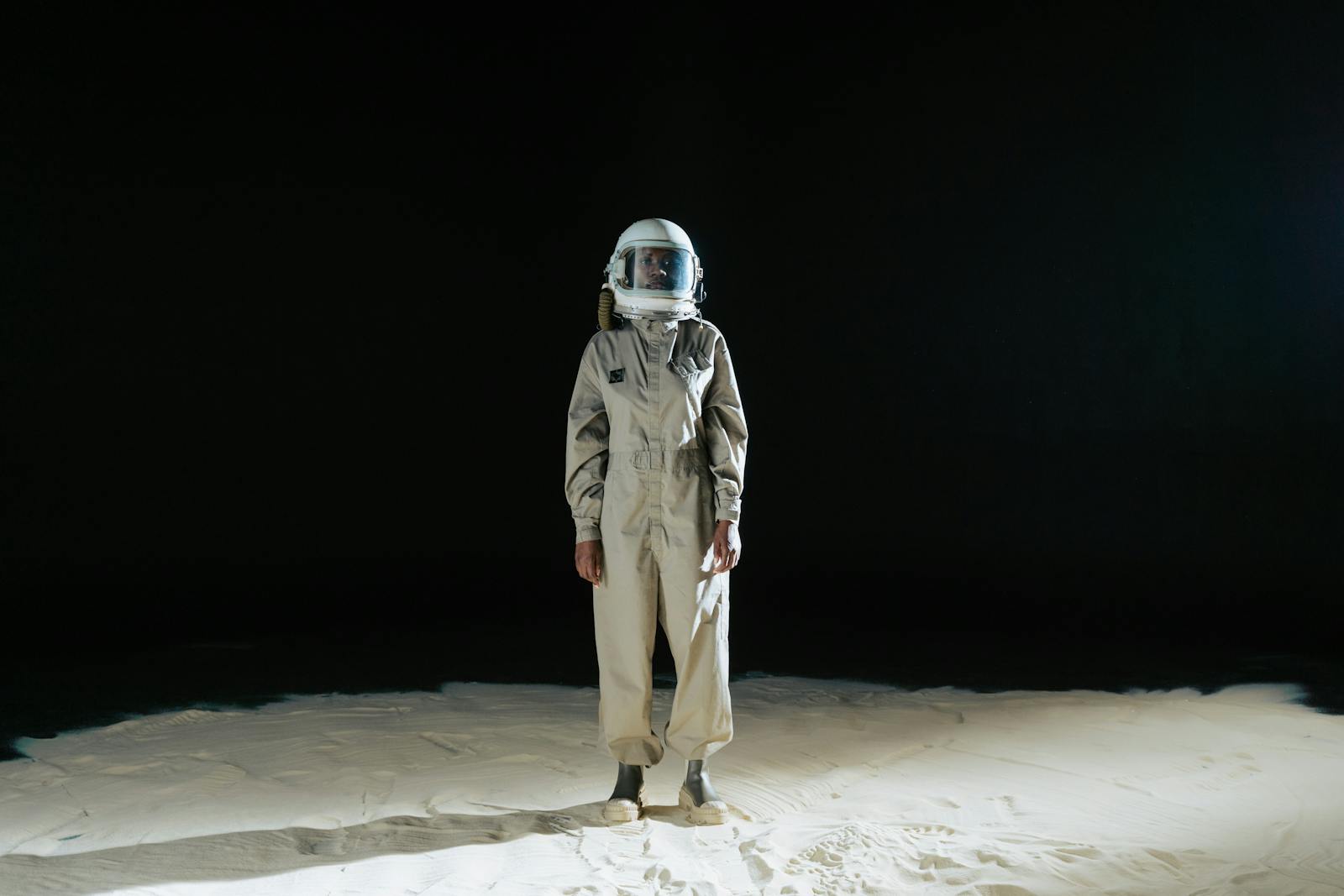
On March 18, 1965, Soviet Air Force pilot Alexei Leonov made history by opening the hatch of Voskhod 2’s inflatable airlock and performing the first spacewalk, lasting just over 12 minutes. During the experience, his pressure suit began to swell and stiffen in the vacuum, posing significant challenges. While Leonov later recalled dramatic episodes, including disconnections in his suit, historians have reviewed contemporary documents suggesting a less perilous re-entry process.
Voskhod 2 was modified from the Vostok spacecraft to include a unique airlock called the Volga, which was crucial since the main cabin couldn’t be depressurized for a spacewalk. Leonov’s mission was significant, occurring just three months before the U.S.’s Ed White completed his own spacewalk. Despite the rapid development of Soviet space technology, Leonov faced immense difficulties; the suit’s design made movement hard, requiring him to manage the suit’s pressure to safely return.
After the spacewalk, the mission didn’t end smoothly; the crew faced challenges, including a manual re-entry after an automatic failure. They landed off-course in a forested area, contending with cold weather and relying on rescue operations to survive. Leonov’s experience shaped the design and execution of subsequent extravehicular activities (EVAs), leading to improved safety measures and techniques for future astronauts.
Leonov’s historic walk has continued implications for space exploration, demonstrating the complex interaction between human needs and technological limitations. Each subsequent EVA has drawn lessons from his experiences, ensuring that spacewalks are safer and better planned. His remarkable achievement remains a foundational moment in the history of human spaceflight.
Source link
