



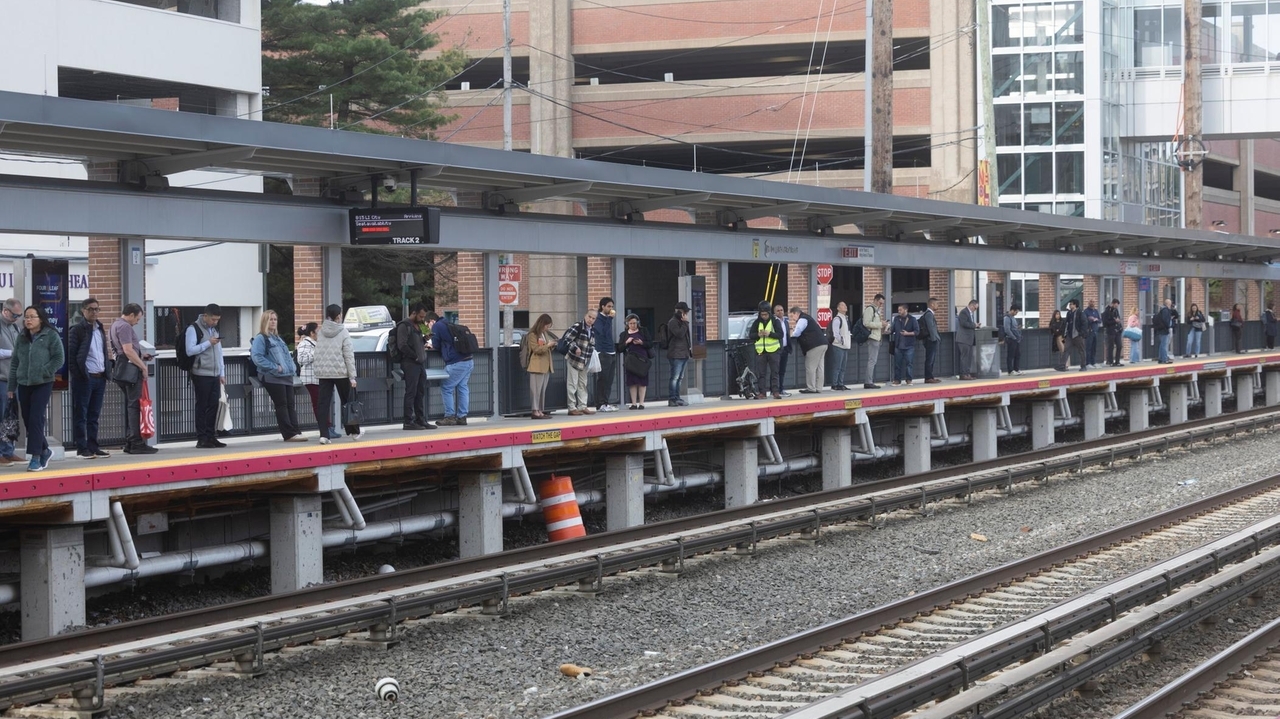
An average of 500,000 vehicles cross the Queens-Nassau border daily, primarily via the Long Island Expressway and the Northern and Southern State Parkways. If a strike materializes on Saturday, it would disrupt the Long Island Railroad (LIRR), affecting at least 270,000 daily passengers and leading to significant road congestion.
Robert Sinclair from AAA Northeast warned of “extreme congestion,” especially on westbound roads during rush hour, predicting a worse traffic situation than past strikes in 1987 and 1994 due to increased LIRR ridership and the addition of Grand Central Madison.
In response, the MTA plans to operate shuttle buses from six LIRR stations but acknowledges these won’t accommodate all passengers. They encourage employers to permit remote work. During a similar strike last year, only 10% of regular commuters traveled to the office. The MTA also suggests alternative transit options through NICE buses and subway stations.
Sam Borden Akbari from the Regional Planning Association noted that the strike could severely impact Long Islanders reliant on public transport. Additional NICE bus services are planned for major transportation hubs. The MTA cautions that driving into Manhattan would also face severe congestion.
Steering clear of road travel, some commuters, like Steven Mormino, intend to work from home, while others contemplate using NICE buses despite the time it would add to their commutes. Sinclair emphasized that the LIRR’s value as a transportation resource would be highlighted during potential disruptions.
Source link
