



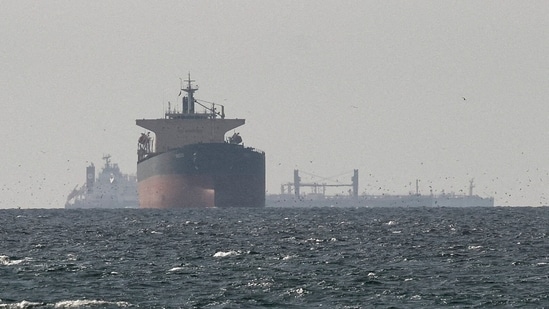
The article discusses the ongoing energy crisis in Southeast Asia caused by the war in West Asia, particularly highlighting Iran’s de facto blockade of the Strait of Hormuz, which affects one-fifth of the world’s energy shipments by restricting U.S. and Israeli vessels.
In response to fuel shortages, the Philippines has declared a national energy emergency, with President Ferdinand Marcos Jr. emphasizing the urgent need for measures to stabilize energy supplies. Government officials are encouraged to conserve fuel by working four days a week and limiting energy use, such as setting a maximum temperature for air conditioning.
Vietnam is also facing fuel shortages and has advised businesses to promote telecommuting to reduce transportation needs while managing oil supplies to keep prices stable.
Sri Lanka has taken steps to conserve energy by turning off street lights and urging state agencies to reduce air conditioning, with a goal of cutting consumption by 25%.
Bangladesh has closed universities and implemented fuel rationing in response to rising fuel prices, anticipating a significant increase in fossil fuel import costs due to the ongoing conflict. Countries across the region are adopting similar measures to address the escalating energy crisis.
Source link
