



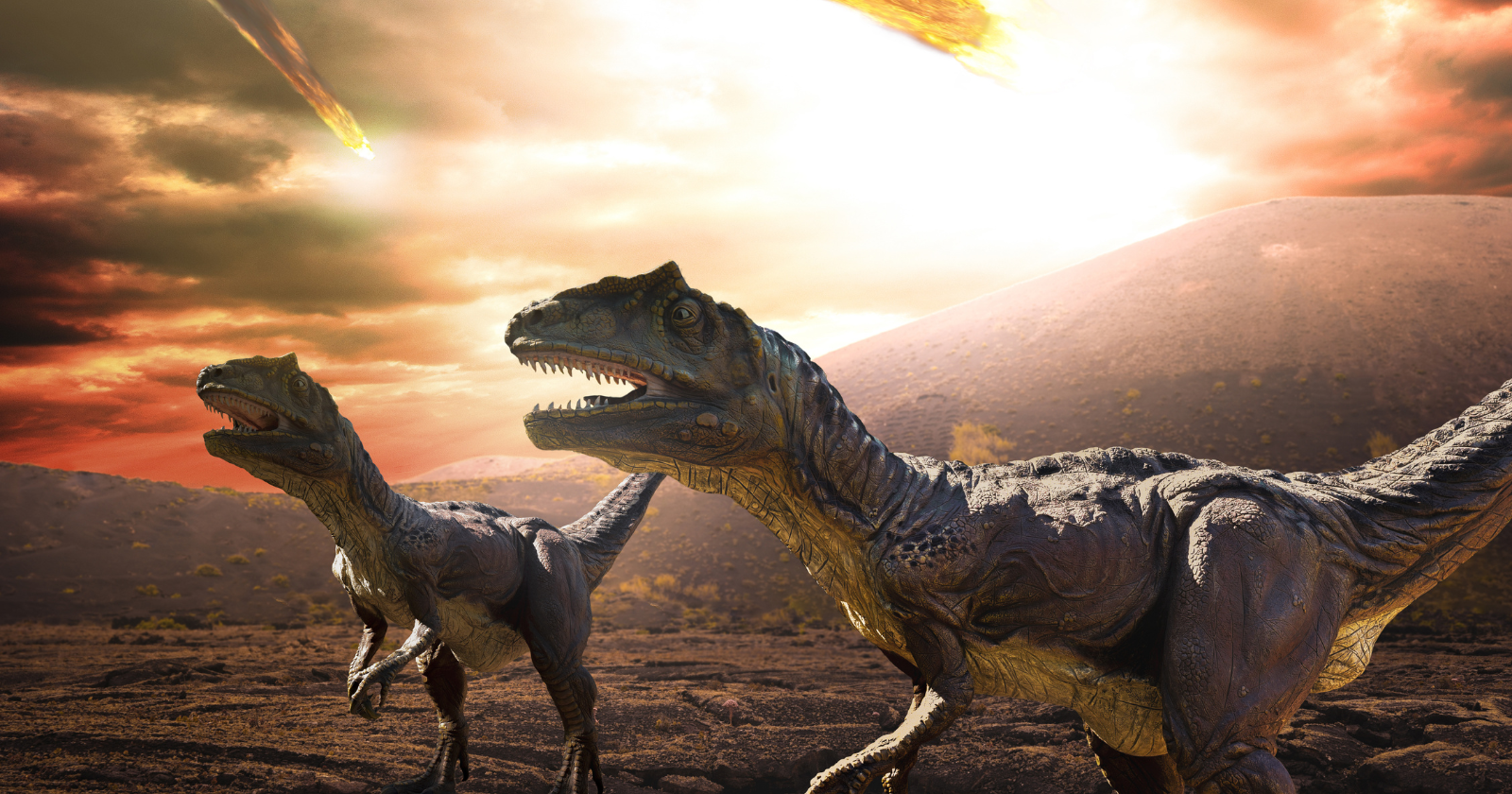
The site known as Tanis, located in North Dakota’s Hell Creek Formation, is considered significant for understanding the aftermath of the Chicxulub asteroid impact that occurred 66 million years ago. In 2019, Robert DePalma and his team published findings that highlighted a unique snapshot of life immediately following the impact, particularly emphasizing the discovery of fish with glass beads of impact debris lodged in their gills, indicating they were alive as debris fell.
While the evidence from the fish and surge deposits is compelling, broader claims regarding dinosaur remains are less substantiated in peer-reviewed literature, leading to ongoing controversy. The 2019 paper outlines an “event deposit” that includes various sediments and fossils, suggesting that a surge of water, triggered by seismic waves from an impact earthquake, contributed to their burial rather than a tsunami.
The small spheres of glass found in the sediments, particularly lodged in the fish gills, are critical to establishing a timeline of events, suggesting that these fish inhaled the material shortly after the impact. However, claims about dinosaur fossils found at Tanis, which include well-preserved specimens, remain unverified as they haven’t been formally published.
The site has faced skepticism partly due to how findings were presented to the public and the challenges of independent verification, as it is on private property. Additionally, controversies surrounding data presentation and research conduct have emerged, although investigations have often found that conclusions regarding the impact timing remain valid.
Ultimately, while Tanis provides valuable information regarding the immediate aftermath of the Chicxulub impact, significant questions about the dinosaur remains and broader implications require further scientific scrutiny and independent validation.
Source link
