



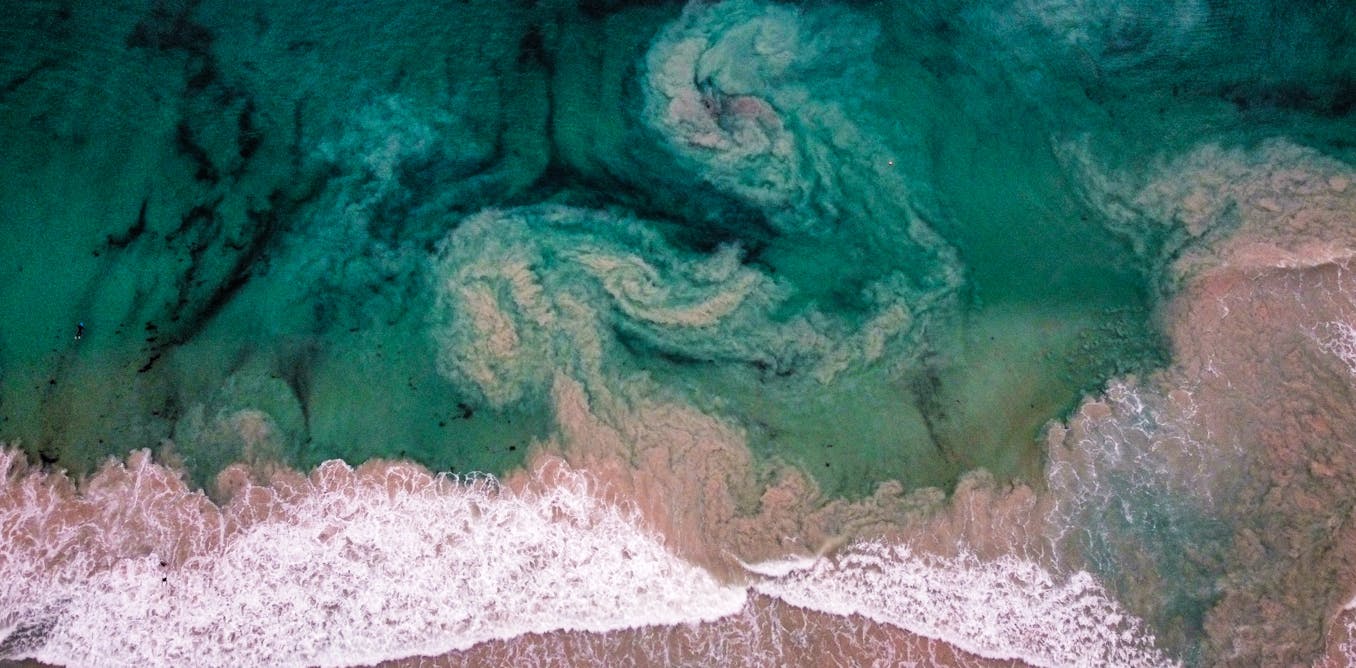
As global temperatures rise, countries strive to achieve net-zero greenhouse gas emissions in line with the 2015 Paris Agreement. A primary focus is on reducing carbon dioxide (CO₂), which traps heat in the atmosphere. Research is ongoing to enhance carbon capture in oceans, forests, and soils, with one promising method being ocean alkalinity fortification.
This approach aims to improve the ocean’s natural ability to absorb more CO₂ by altering seawater chemistry. While the ocean currently absorbs about 30% of annual CO₂ emissions from fossil fuels, its capacity is limited. Increasing alkalinity could accelerate this process, enabling seawater to convert more dissolved CO₂ into stable forms.
So far, small-scale tests have involved adding alkaline substances like sodium hydroxide and crushed rocks to seawater at coastal locations. However, key challenges remain, including the feasibility of scaling up these projects and understanding their effectiveness across various marine ecosystems. Initial studies suggest little impact on nearby protected areas, yet more research is needed to assess ecological effects comprehensively.
Community support is crucial for the success of these initiatives. Public interest is mixed, with residents preferring active involvement in decision-making. Furthermore, collaboration with Indigenous communities is essential, drawing on their extensive maritime knowledge.
Moving forward, balancing the urgent need to curb CO₂ emissions with rigorous research and community engagement is critical. This approach will ensure that ocean alkalinity enhancement is both effective and environmentally responsible, helping Australia and other nations meet climate goals.
Source link
