



The article discusses the Medieval Warm Period, specifically focusing on 13th century England, which faced a significant heatwave that lasted four months, leading to water shortages and crop failures. During this period, increased solar radiation and limited volcanic activity contributed to rising temperatures.
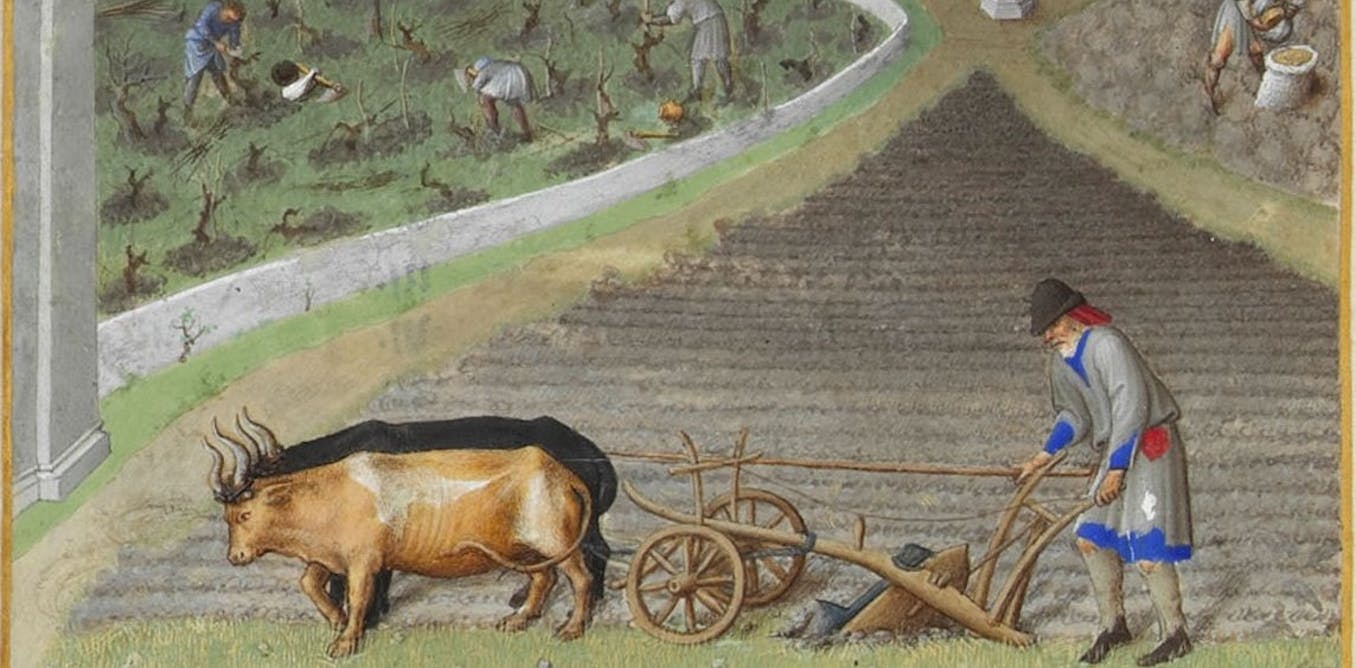
The summer of 1212 saw extreme droughts that caused urban fires, while the severe drought of 1252 resulted in unbearable heat, devastating landscapes, and weakened livestock. Chroniclers like Matthew Paris documented the harsh conditions, noting that the ground became hard and unplowable.
The article also highlights that while England experienced severe climate challenges, other regions saw agricultural expansion due to warmer weather, leading to population growth and a commercial revolution in northern Europe. However, this warming negatively affected other areas, contributing to droughts and wildfires in the Americas and impacting civilizations like the Maya.
The period ended with climatic instability, including a significant volcanic eruption in 1257 that caused crop failures and widespread starvation, culminating in the Great Famine of 1315-1317.
Comparatively, today’s climate change is driven by human actions, leading to unprecedented warming and extreme weather. The article concludes by noting the lessons from the past, emphasizing the need for preparedness and technological advancements to mitigate climate-related risks.
Source link
