



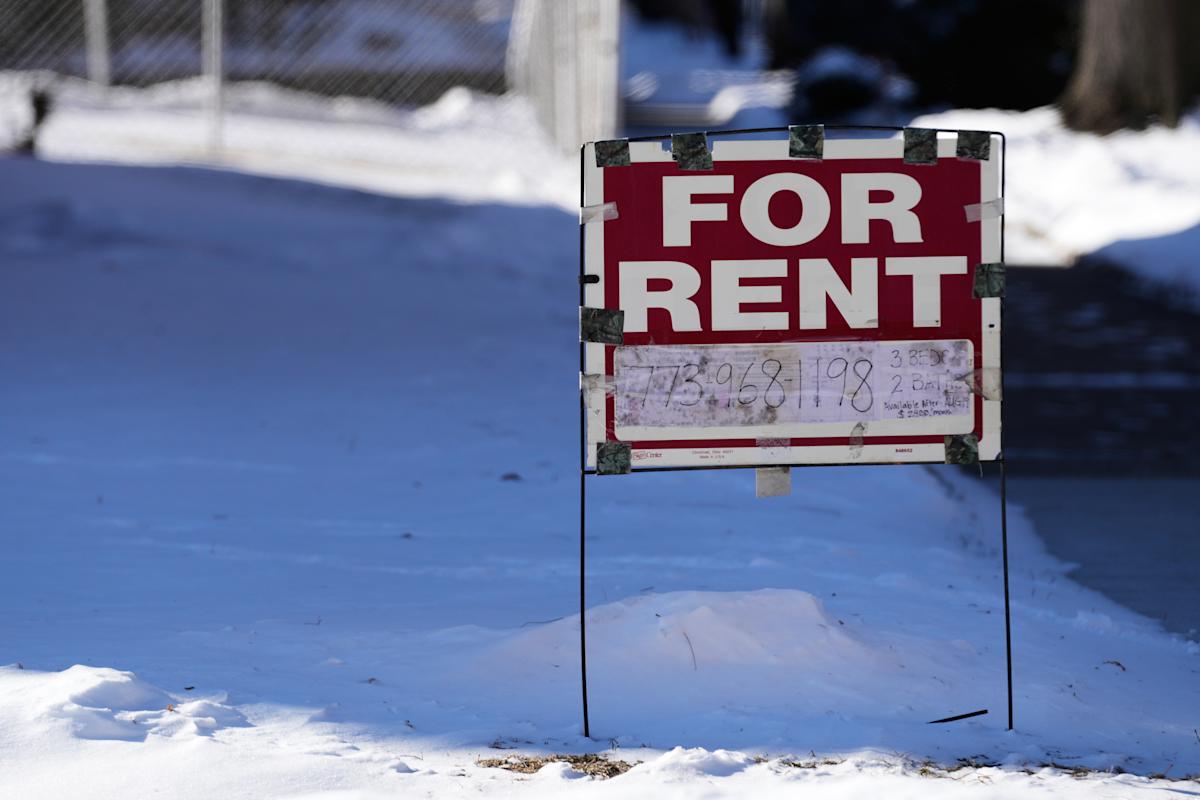
As rents soar—up nearly 28% over five years—more renters are using “rent now, pay later” services to manage their payments. Companies like Flex and Affirm enable renters to split their rent into installments, often targeting low-income workers with fluctuating incomes. However, consumer advocates caution these services can resemble short-term loans with high fees and interest rates, sometimes exceeding 172%.
Kellen Johnson, who uses Flex, pays a subscription and transaction fees, making his payments more expensive overall. With around 42.5 million households renting in the U.S., many struggle, with Census estimates suggesting most will spend over 30% of their income on rent by 2024.
These payment plans may provide short-term relief but don’t solve fundamental affordability issues. Critics worry they could lead to increased rent prices and further financial strain as landlords adjust their criteria based on potential renters’ cash flow rather than market rates. Alternatives like credit card payments also come with high fees, mirroring costs of rent installment services.
Economists raise concerns that reliance on such financial products could exacerbate affordability problems in the housing market rather than resolve them.
Source link
