



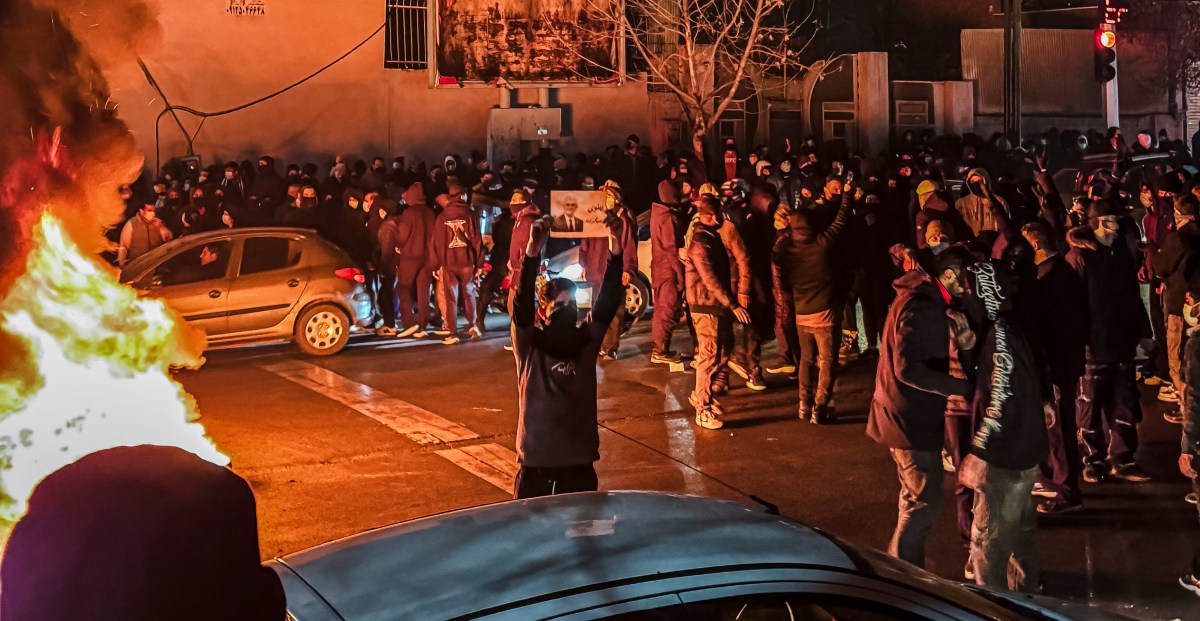
The Iranian regime faces a crisis, marked by widespread protests, harsh government crackdowns, and possible U.S. intervention. The Islamic Republic’s trajectory appears unsustainable, risking economic collapse and increased state violence. Some protesters support Reza Pahlavi, the exiled son of the former king, as a potential leader if the regime falls, but obstacles to change persist.
Key among these obstacles is Supreme Leader Ali Khamenei, who has held power for over 30 years, consolidating control through patronage networks and the Islamic Revolutionary Guards Corps. Despite recognition among elites for the need for reform, Khamenei’s hardline stance keeps significant changes at bay, including negotiations with the U.S. and easing social restrictions.
While true democratic transformation seems unlikely under the current regime, incremental reforms to improve living conditions could occur, especially after Khamenei’s eventual departure. Historical precedents suggest that aging authoritarian leaders can pave the way for significant change, though the risk of escalating repression remains. If the regime must navigate chaos, a potential opportunity for reform may only arise after Khamenei’s exit.
Source link
