



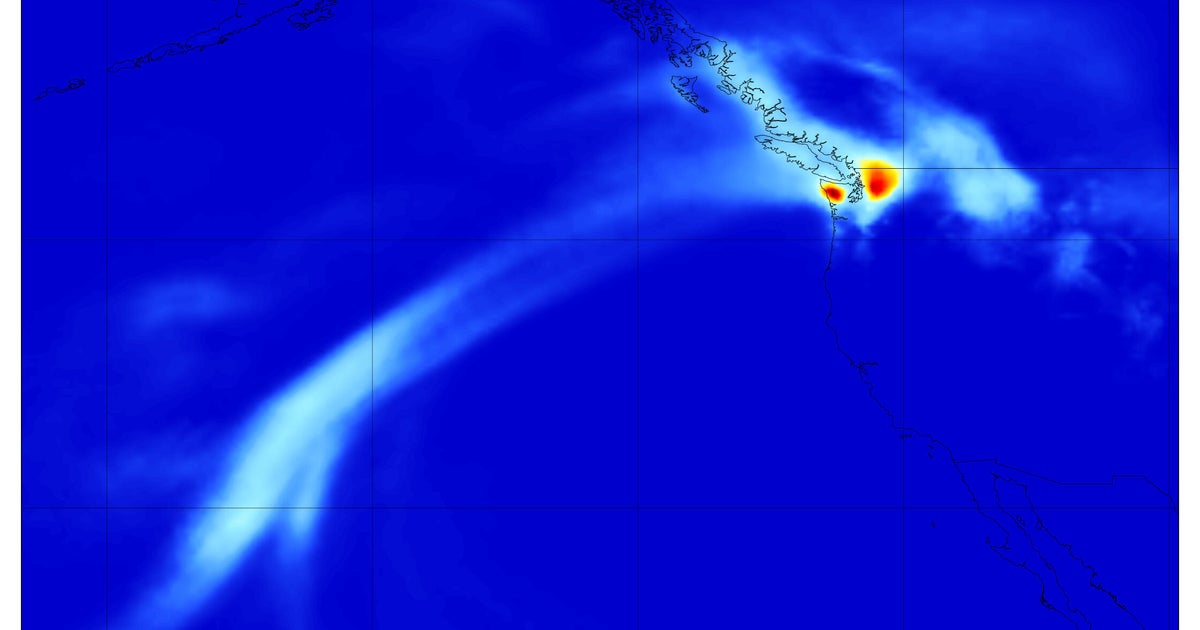
The National Oceanic and Atmospheric Administration (NOAA) has launched new weather prediction models using artificial intelligence (AI), aimed at delivering faster and more accurate forecasts. NOAA Administrator Neil Jacobs emphasized that this initiative marks a significant advancement in U.S. weather modeling by improving accuracy while reducing computational costs.
The AI models, which became operational on Wednesday, will not replace existing models that use complex mathematical equations; rather, they will work alongside them, drawing on their data. Historically, NOAA relied on the Global Forecast System (GFS) and the Global Ensemble Forecast System (GEFS) for predictions based on physical atmospheric equations.
The new AI systems, particularly the Artificial Intelligence Global Forecasting System (AIGFS), have been trained on decades of historical data, allowing them to predict weather patterns more efficiently. They require 91% to 99% less computing power than traditional models and can extend prediction accuracy by 18 to 24 hours.
NOAA’s AI models include:
- AIGFS: Offers improved forecasts quickly.
- AIGEFS: Provides a range of forecasting scenarios.
- Hybrid GEFS: Combines AI technology with traditional GEFS for refined predictions.
While these AI models are less energy-intensive for real-time predictions, the training process is still energy-heavy. Ongoing improvements are being made in specific areas like hurricane forecasting.
