



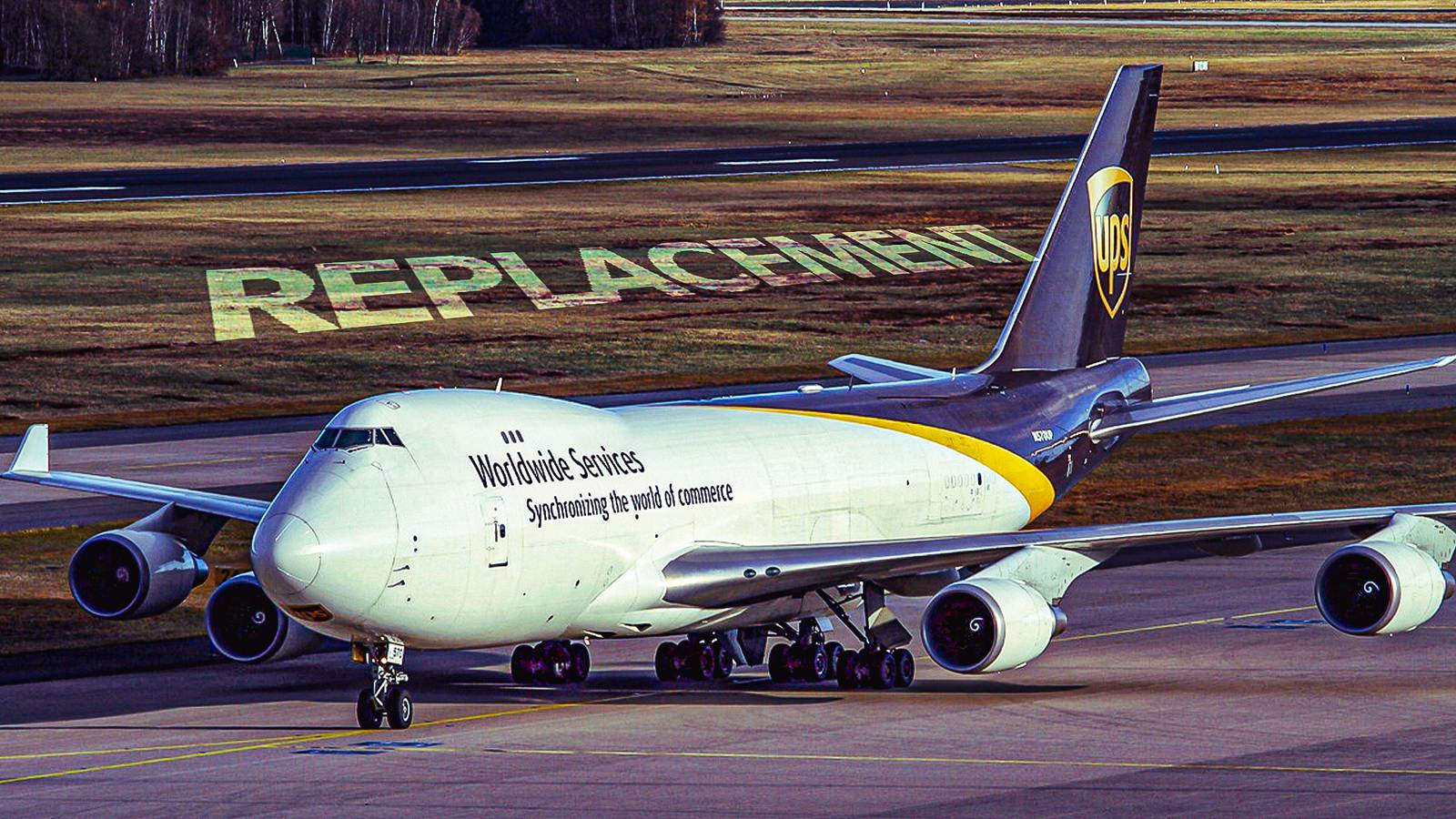
The Boeing 747-400, known as the "Queen of the Skies," revolutionized long-distance air travel in the ’90s and early 2000s with its impressive capacity of over 400 seats, four engines, and extensive range. However, by 2025, its presence as a passenger aircraft is dwindling, with only a few airlines like Lufthansa, Air China, and certain Russian carriers still operating the model.
The aviation market is shifting due to rising fuel costs, environmental concerns, and a departure from traditional hub-and-spoke networks. Aircraft like the Airbus A350, Boeing 787 Dreamliner, and Boeing 777X are emerging as more economical and efficient alternatives.
Key Replacements:
-
Airbus A350: A long-range, fuel-efficient twin-engine aircraft that offers similar capacity with lower emissions, making it suitable for long-haul routes.
-
Boeing 787 Dreamliner: Focuses on efficiency over size, enabling airlines to operate long, thin routes that were previously unprofitable.
- Boeing 777X: Holds high passenger capacity akin to the 747-400, utilizing advanced design for better efficiency and performance, ideal for high-demand routes.
Conclusion:
The legacy of the 747-400 is evolving. No single aircraft can totally replace its iconic status, but the combination of newer models allows airlines to adapt more flexibly to market demands while meeting economic and environmental standards. The transition reflects an industry shift towards customized fleet strategies rather than relying on one flagship aircraft.
