



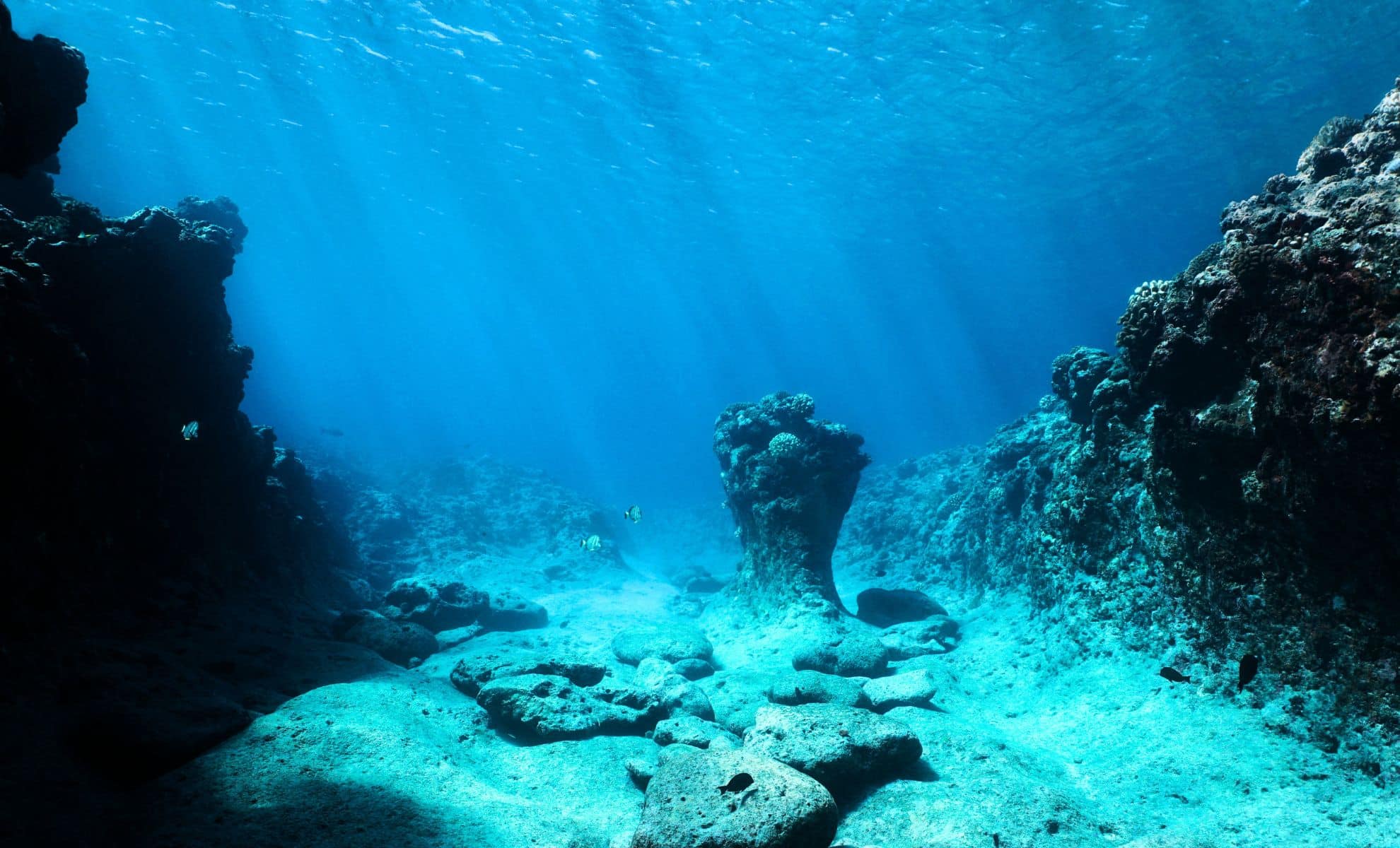
A recent study published in February 2025 on the AGU portal has transformed our understanding of the Earth’s oceans, revealing that approximately 15 million years ago, geological events contributed significantly to a dramatic drop in sea levels—by up to 30 meters. This challenges the prevailing belief that sea levels are mainly influenced by climate change, emphasizing instead the impact of structural shifts in the oceanic crust.
The study indicates that between 1.5 million and 6 million years ago, the oceanic crust underwent a significant collapse, slowing its production by about 35% and resulting in deeper ocean basins. This led to a substantial reduction in sea levels, demonstrating that the Earth’s oceans are in constant flux, independent of human-induced climate factors.
The research highlights the role of plate tectonics in this process. As the creation of new oceanic crust slowed, the heights of seabeds decreased, consequently reducing the volume available for seawater and leading to lower global sea levels.
Moreover, the collapse of the oceanic crust influenced the Earth’s climate. A reduction in volcanic activity, due to less heat being released from the mantle to the oceans, decreased carbon dioxide emissions, which helped cool the planet. This cooling effect contributed to the expansion of ice sheets and glaciers, further lowering sea levels.
Overall, the findings illustrate a complex interplay between geological activity and climate systems, showing how long-term geological processes can significantly impact ocean dynamics and climate.
Source link
