



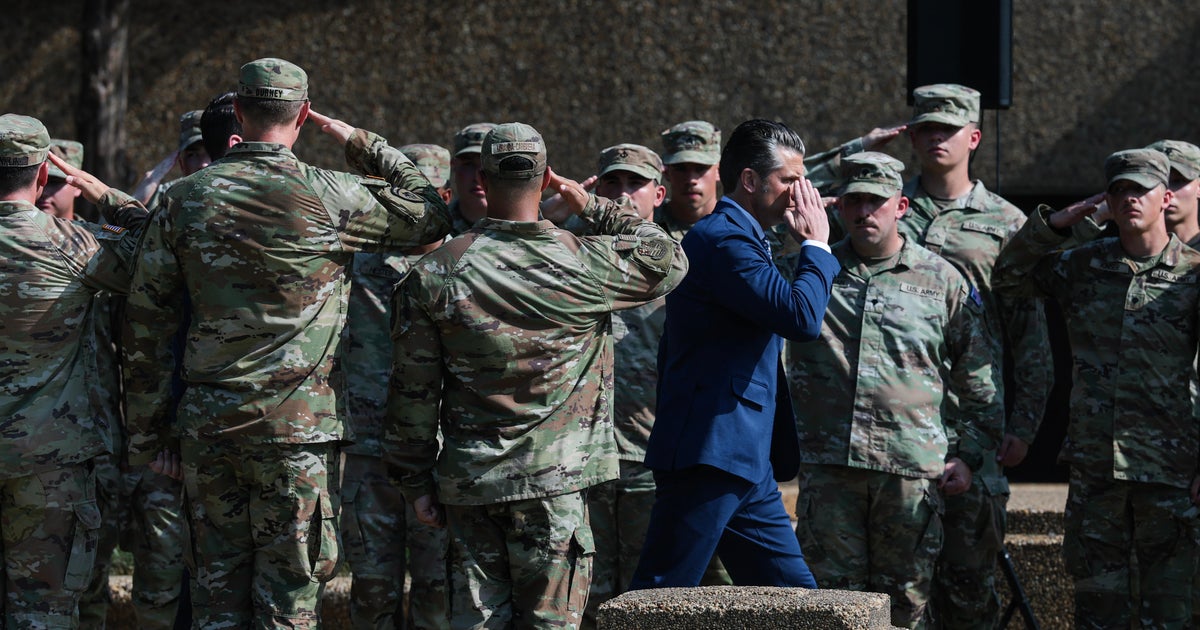
Secretary of Defense Pete Hegseth announced that U.S. military personnel over 30 will undergo annual “testosterone deficiency” testing, while younger service members can opt for the test. This initiative is part of a broader concern regarding service members’ physical preparedness. However, medical experts express skepticism, citing potential high costs and the lack of evidence supporting routine testosterone screening.
Organizations like the Endocrine Society advise against such screenings, noting testosterone levels are affected by various factors and fluctuate naturally. Experts like Dr. Celine Gounder emphasize that low testosterone symptoms can stem from many underlying health issues, not just hormone levels.
The testing process is complex and costly, with the risk of false positives leading to unnecessary treatments. Testosterone replacement therapy, while beneficial for those with specific medical conditions, poses risks like increased blood clotting and decreased fertility. Critics, including Gounder, argue that the program defies scientific consensus and is aligned more with current wellness trends than with proven medical practices.
Source link
