



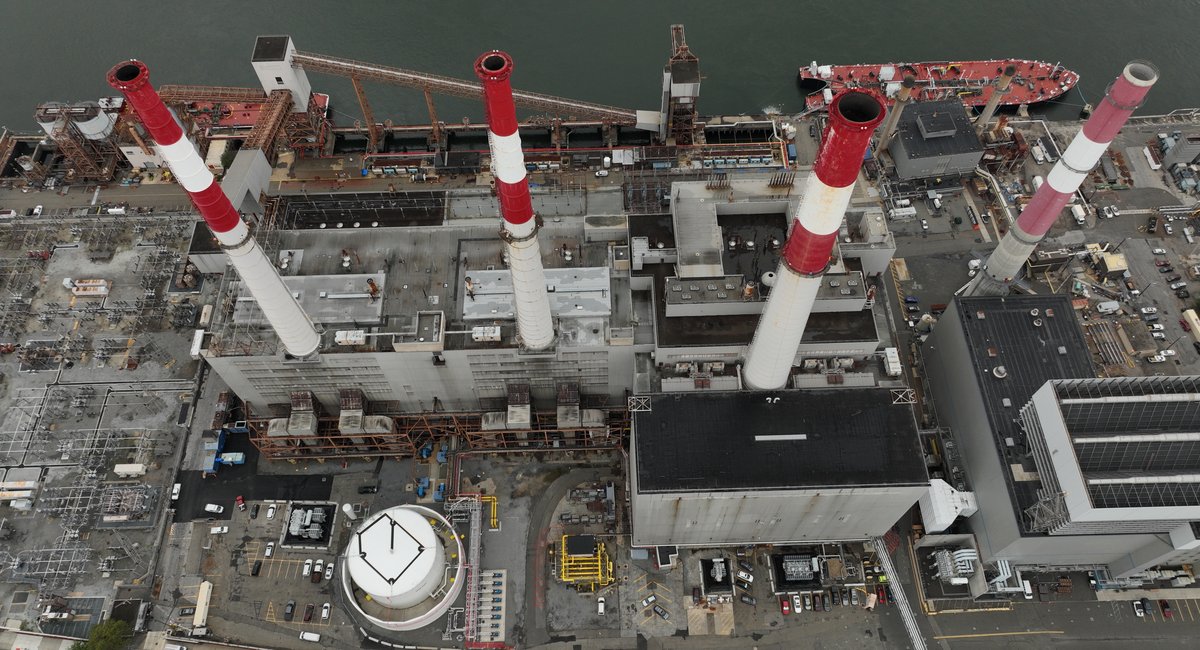
Governor Kathy Hochul’s “all of the above” energy policy favors fossil fuels, claiming they are cheaper and more reliable than renewables in New York. However, energy experts criticize her stance, pointing to increased gas prices since tensions arose between the U.S. and Iran. The national average for gas rose to about $4.02 per gallon, reflecting a 32% monthly spike. Hochul is also reconsidering the state’s climate targets, initially aiming for 70% renewable energy by 2030 but now suggesting a delay and pushing deadlines further.
Environmental advocates argue that the reliance on fossil fuels—currently projected to impact gas prices negatively—contradicts market trends favoring renewable energy. They highlight that wind and solar, being free once established, could provide more stable pricing. Critics assert that New York’s assessment of future costs based on carbon pricing models is flawed and does not represent the state’s actual energy market, as it is lagging behind other states like Texas and California in infrastructure development for renewables.
The Institute for Energy Economics warns that dependence on volatile fossil fuels could incur higher costs over time. Some countries are responding by accelerating clean energy projects, contrasting with Hochul’s approach. Experts suggest that effective policies can limit oil demand, advocating for a shift toward energy efficiency and renewable resources that promise long-term affordability.
Hochul claims that her approach includes a mix of energy sources, while supporters of renewable energy argue it would boost local job creation and keep financial resources within the state. The debate underscores the urgency for a strategic shift towards renewables to combat ongoing affordability and climate challenges.
Source link
