



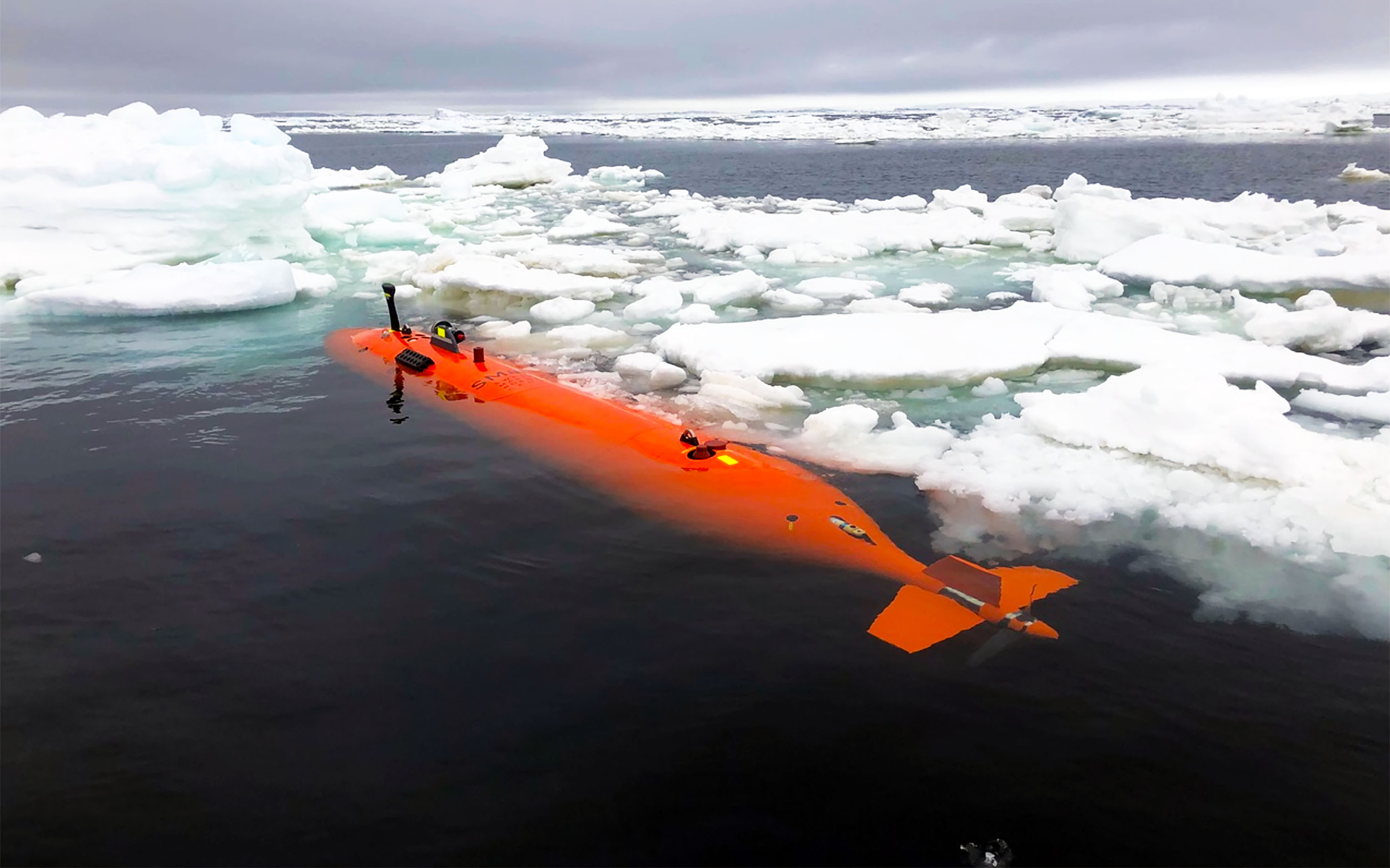
An unmanned submarine named Ran conducted a mission beneath West Antarctica’s Dotson Ice Shelf, mapping unusual structures like plateaus and teardrop-shaped holes, which challenge current melting models. Led by Anna Wallin from the University of Gothenburg, the mission aimed to understand how ocean currents affect ice shelves and future sea levels. Over 27 days, Ran mapped 54 square miles, revealing differences between the eastern and western sides of the shelf.
The study highlighted the influence of warm ocean currents eroding the ice from below. Notably, the western side experiences more rapid melting due to these currents, with a significant impact on sea level rise. Throughout the mission, contact with Ran was lost, leading to speculation on potential causes, including mechanical failure or collisions.
Despite its disappearance, the early data from Ran has provided crucial insights into the interactions between ice and ocean, emphasizing the need to incorporate these findings into future climate models to better predict ice loss in West Antarctica. The research is published in Science Advances.
