



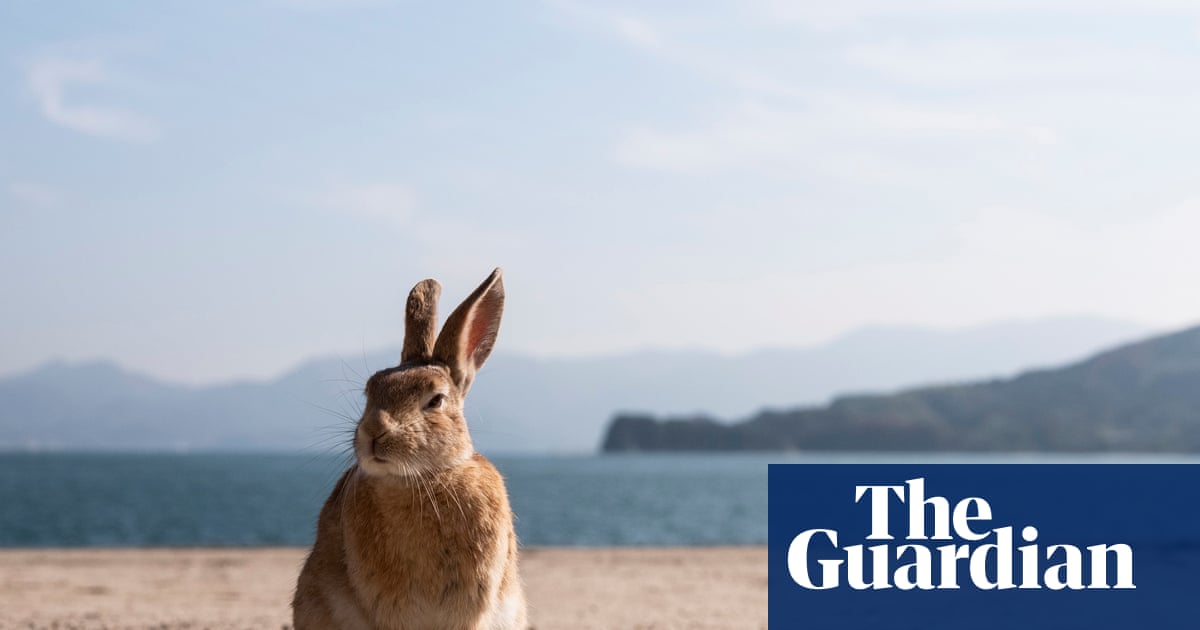
Okunoshima, an island in the Seto Inland Sea known as “Rabbit Island,” is characterized by its furry inhabitants and a complex history. Visitors arrive to find rabbits roaming freely, often fed by tourists who are captivated by their cuteness. Approximately 400 to 500 rabbits live there, largely dependent on human-provided food due to the depleted natural vegetation.
Originally, Okunoshima was the site of a secret chemical weapon facility operated by the Imperial Japanese Army from 1929 until the end of World War II, producing mustard gas and other toxic substances. In the 1970s, an elementary school released rabbits onto the island to revitalize its ecology, leading to the current rabbit population.
In recent years, Okunoshima has attracted nearly 200,000 visitors annually, drawn by its coastal beauty and the allure of its rabbits. However, concerns are rising regarding the rabbits’ future, as they increasingly rely on human food, making their existence unstable. Experts note that the current rabbit population likely does not descend from those used in wartime experiments, though some still speculate about possible genetic links.
The island’s dark history is often overlooked by tourists, who primarily focus on the rabbits rather than the historical significance of the poison gas museum, which documents the island’s past. Local experts worry that as rabbit numbers fluctuate, the island’s troubled history may be forgotten amidst its current charm.
Source link
