



Summary:
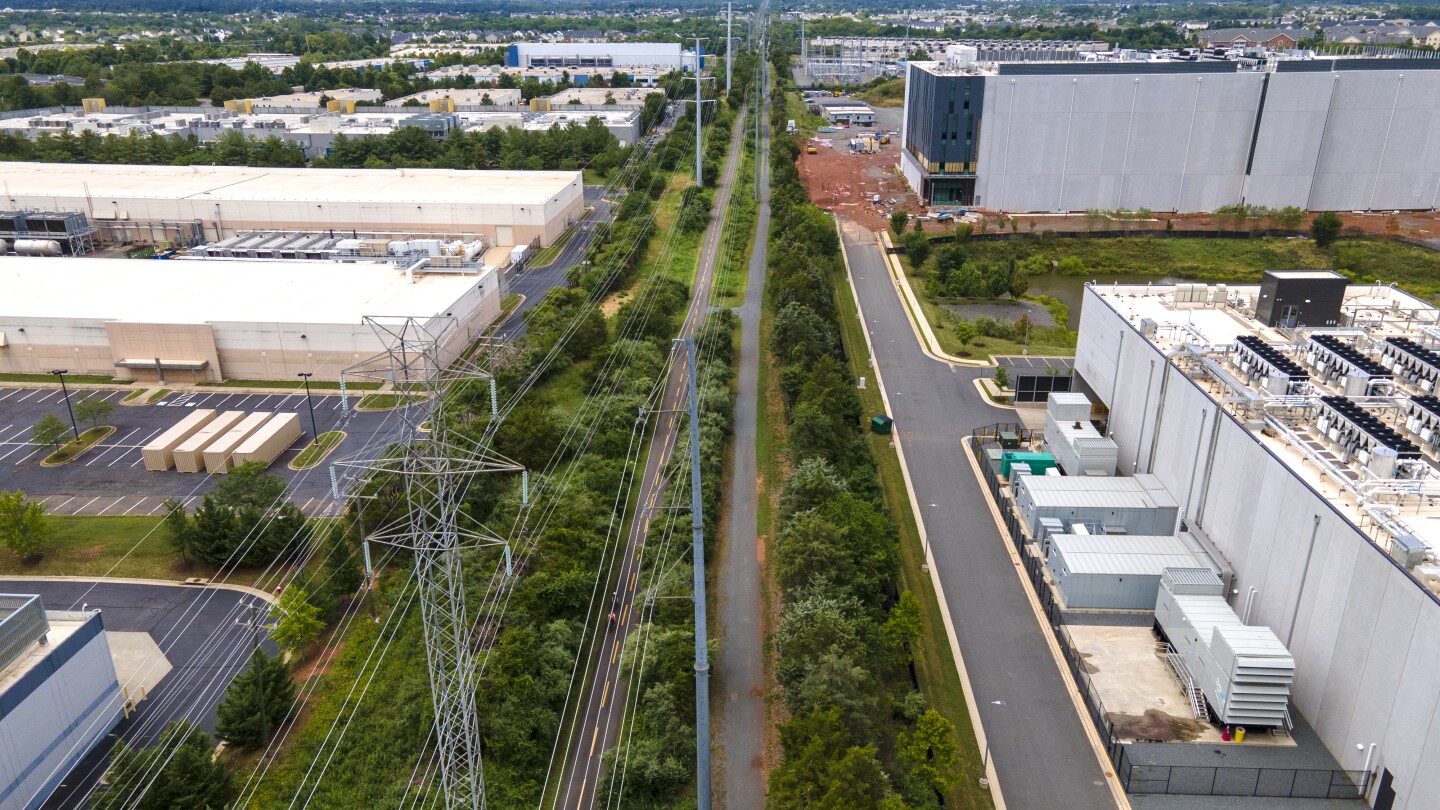
Policymakers are grappling with the rapid growth of Big Tech’s data centers, which are straining the U.S. power grid. After a deadly winter storm in 2021 highlighted vulnerabilities, Texas initiated measures to protect residents from similar crises by regulating large-scale energy users during peak demand. As data centers proliferate faster than energy infrastructure can develop, concerns are rising about grid stability.
Other regions, particularly in the Mid-Atlantic, are following Texas’s lead, with major grid operators like PJM Interconnection proposing rules that may require data centers to prove they can sustain power during emergencies. This approach has sparked tension between tech companies and power providers, with worries about competition for investments in digital infrastructure.
In Indiana, Google has undertaken a voluntary commitment to reduce energy consumption during peak grid stress, highlighting a trend toward collaborative solutions. Experts suggest that adjusting large users’ contributions during high demand can prevent the need for costly new power plants, questioning the societal value of such infrastructure investments for limited peak periods.
