



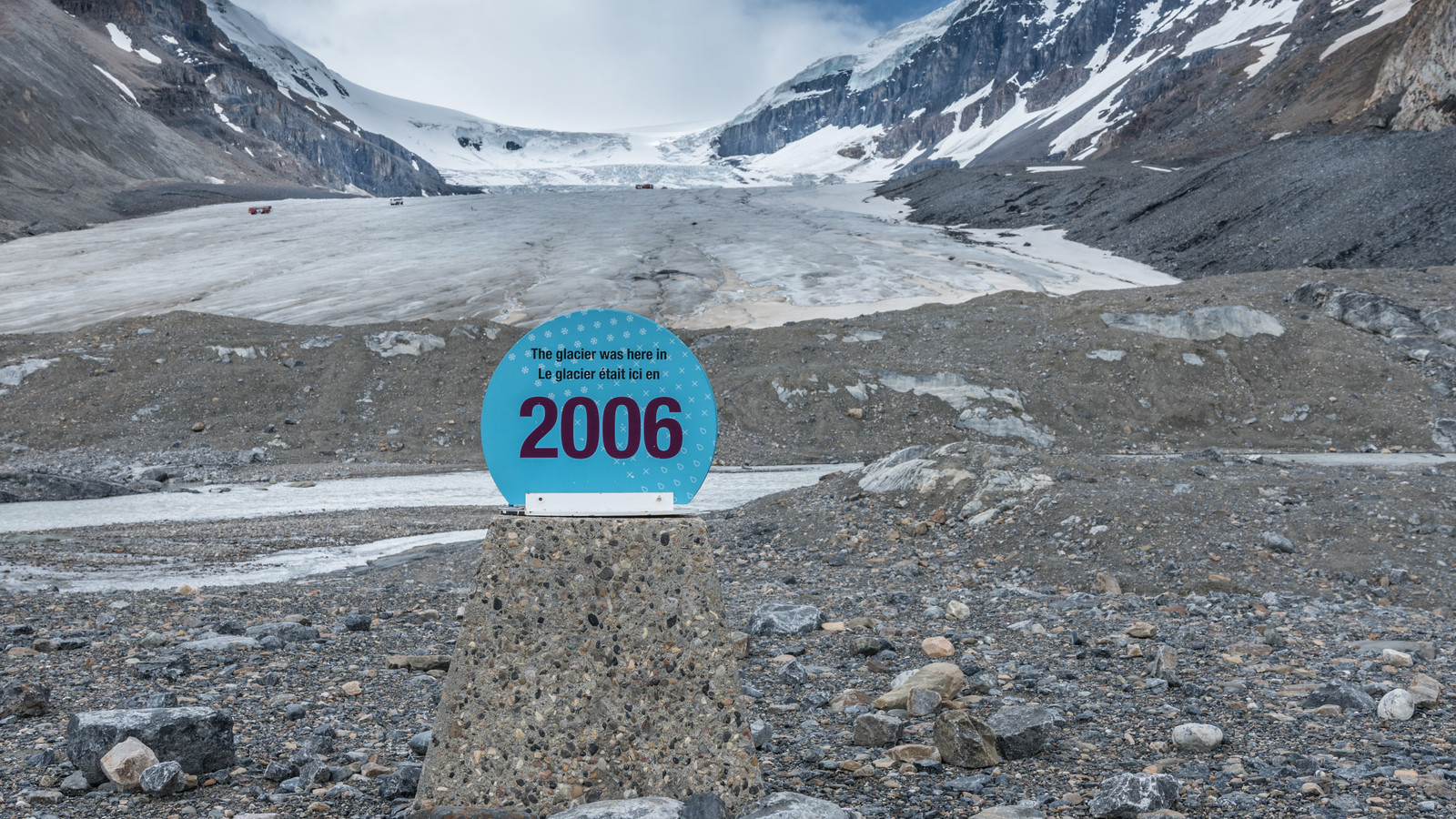
The article highlights contrasting approaches to climate change in national parks between the United States and Canada.
In Canada, Parks Canada plans to implement new parking fees in Banff National Park starting May, in an effort to reduce carbon emissions and congestion. Public sentiment is growing more concerned about climate change, with a recent study showing 63% of Canadians acknowledging it as a real, human-caused issue.
Conversely, the U.S. is seeing a crackdown on climate change-related information in national parks. The Department of the Interior has banned pamphlets, videos, and signs addressing climate change. Recent polls indicate that only 48% of Americans believe in human-caused climate change, marking a decline in concern. Policy changes are directed by a presidential executive order aimed at ensuring that public information aligns with certain historical narratives, leading to the removal of educational materials about climate change, including signs at Glacier and Acadia National Parks.
Reactions from park visitors and politicians in the U.S. are predominantly negative, expressing frustration over the suppression of climate education. Meanwhile, Canada continues to pursue proactive measures, reinforcing its leadership stance on climate action. The noticeable divide in climate attitudes between Canadians and Americans underscores a significant cultural and political rift regarding climate change.
Source link
