



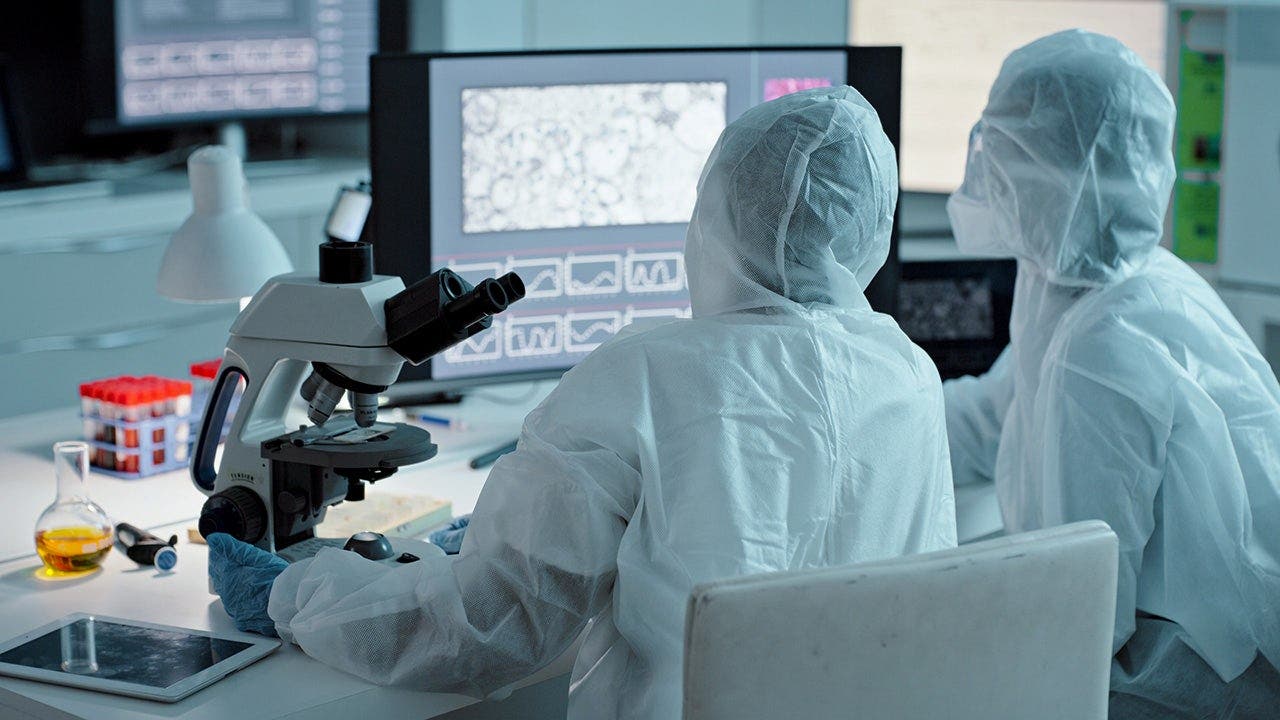
Researchers at the University of Minnesota have developed advanced synthetic cells, referred to as “SpudCells,” made entirely from nonliving materials. These cells can grow, replicate DNA, divide, and pass on beneficial traits, signaling significant progress toward artificial life. However, they require controlled laboratory conditions, external nutrients, and components like E. coli ribosomes to function.
The study highlights the first synthetic cell with a defined cell cycle and genetic makeup, showcasing features akin to living organisms, including natural selection as some cells were engineered to grow faster and become more prevalent. Despite these advancements, the synthetic cells remain less functional than the simplest living cells, as only about 30% of daughter cells inherited the full genome after five generations.
While this research represents a major milestone, the team acknowledged challenges such as biosafety and biosecurity concerns. Future work aims to enhance the self-sufficiency of these cells and facilitate natural mutations. Overall, the findings suggest a pathway towards creating more robust synthetic organisms for biotechnological applications.
Source link
