



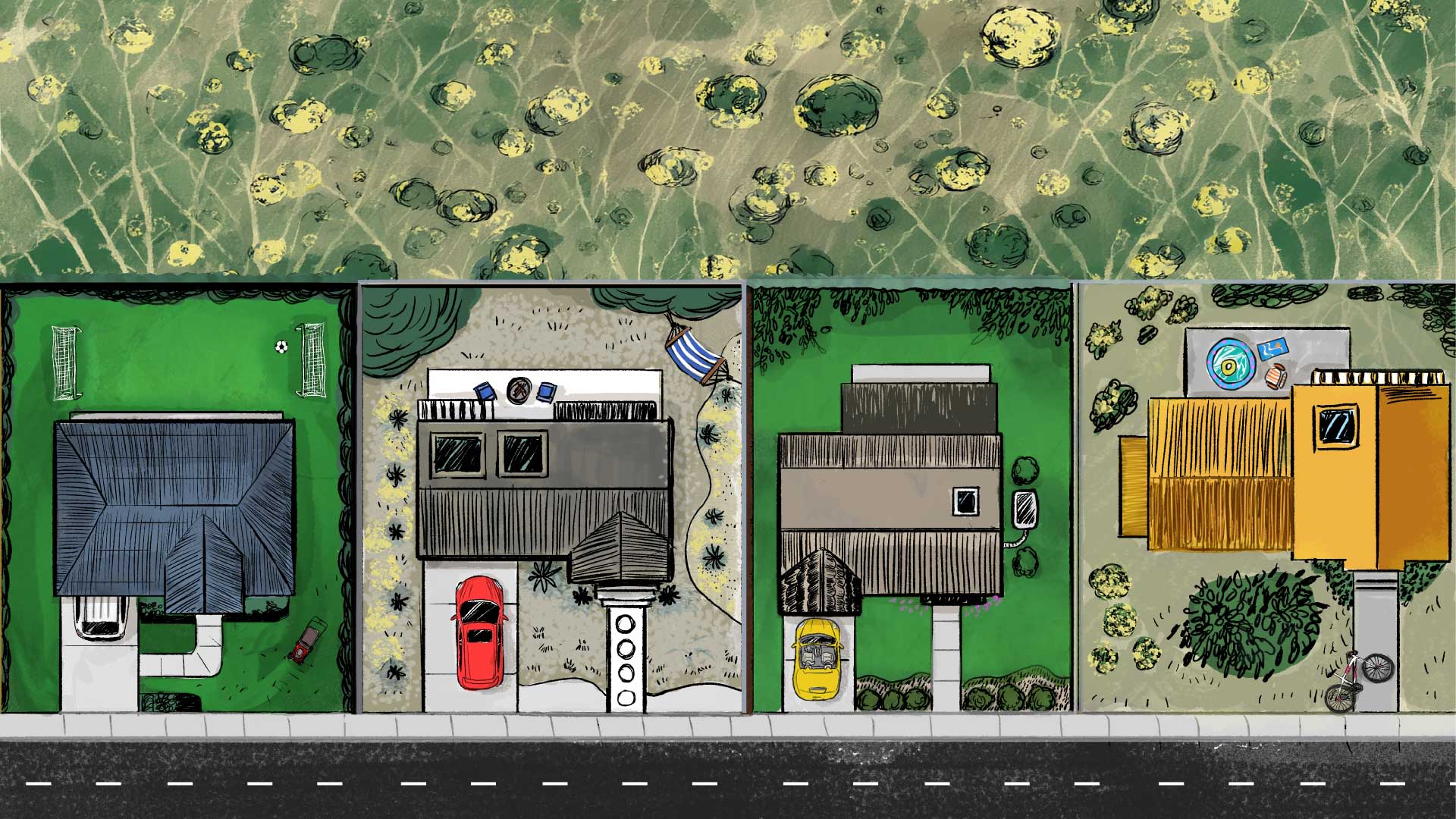
In the Denver area, homeowners are rethinking their lawns amid water scarcity, particularly in the wake of record-low snowfall and drought conditions. Traditional grass types like Kentucky bluegrass and tall fescue consume significant amounts of water—17.5 and 15 gallons per square foot per year, respectively. In contrast, native grasses like buffalo and blue grama require only up to 4 gallons per square foot per year.
Cities in Colorado are actively promoting the replacement of water-intensive lawns with low-maintenance landscapes featuring rocks, shrubs, and native grasses. These changes are incentivized through grant programs and new construction rules, rather than through punitive measures. Community engagement has been positive, with more homeowners experimenting with drought-resistant landscaping.
Urban water conservation efforts are crucial as grass accounts for a large percentage of city water usage. Officials, like Aurora’s water conservation manager Tim York, predict a growing trend towards eco-friendly gardens, further supported by state initiatives like Nevada’s upcoming ban on non-performing lawns by 2026. The shift in landscaping practices is not only about conserving water but also celebrates local ecology, making neighborhoods more vibrant.
Source link
