



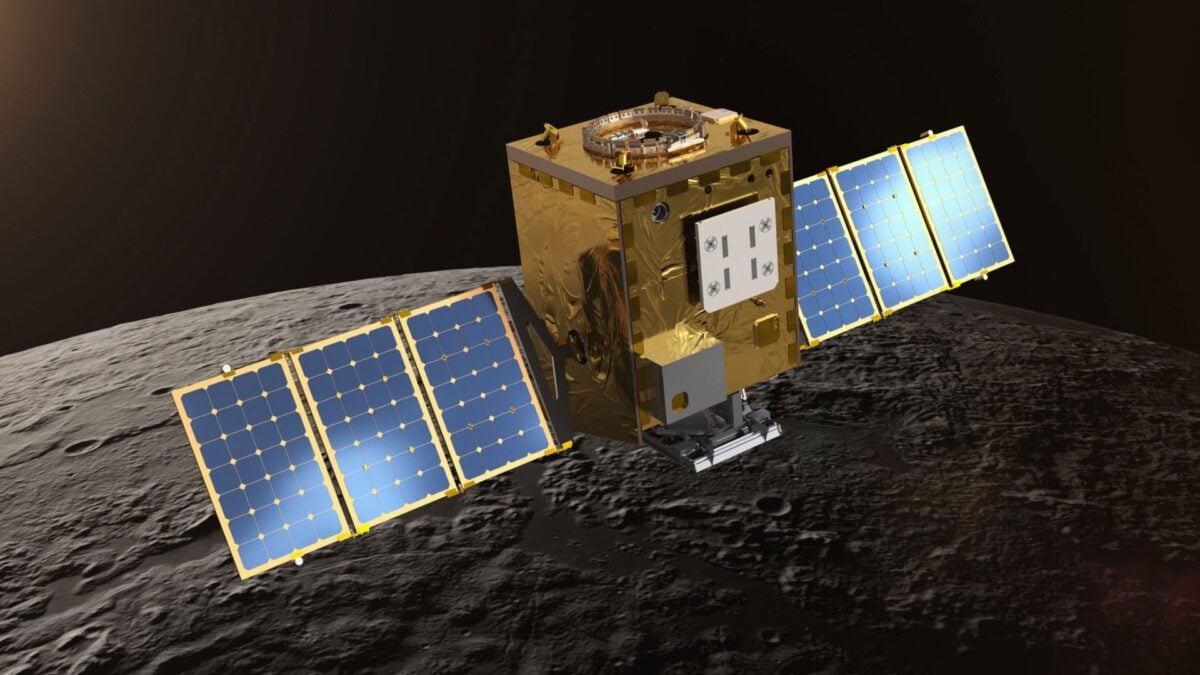
NASA’s Lunar Trailblazer moon probe, launched from Kennedy Space Center, aimed to map lunar water but ran into trouble on its first day. A review revealed that software miscalibrated the solar panels, pointing them away from the sun, which caused a loss of power and communication. Despite efforts to regain contact, NASA declared the mission over in August.
The report criticized Lockheed Martin for inadequate testing of the solar array’s phasing, which could have prevented the anomaly. Although the mission was ultimately unsuccessful, it offered valuable lessons for future low-cost missions under NASA’s SIMPLEx initiative, aimed at promoting innovative spacecraft designs at reduced costs.
If successful, Lunar Trailblazer would have significantly advanced knowledge about lunar water distribution, benefiting NASA’s Artemis program. Certain technologies from the probe will continue to be used in future lunar exploration efforts.
Source link
