



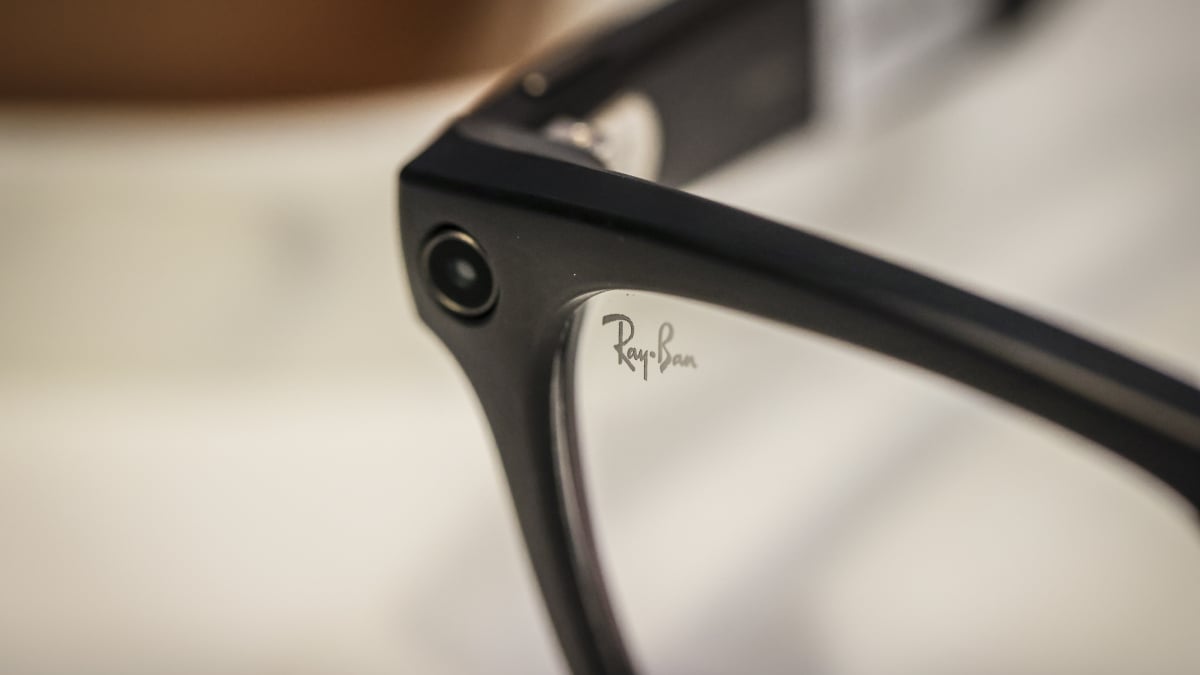
An investigation by Swedish news outlets revealed concerning practices surrounding Meta’s AI-powered Ray-Ban glasses. Workers in Kenya were found to analyze intimate and “disturbing” videos recorded by users, often without their knowledge, including footage from bathrooms and containing nudity. This is part of a data labeling process used to train AI models, with videos being reviewed by humans for better understanding by AI.
Employees expressed discomfort with the nature of the content they were required to examine, pointing out the ethical dilemmas involved. Meta’s Terms of Service allow for human moderation of interactions with AI services, drawing further scrutiny.
Launched in 2023, Meta’s smart glasses received mixed reviews and faced backlash due to incidents of users secretly recording and harassing individuals, exacerbated by users hiding the glasses’ recording indicators. Despite concerns over privacy and consent, Meta plans to introduce live AI capabilities and facial recognition by 2025, raising fears about the surveillance implications of the technology. Privacy advocates warn that this could enable misuse by third parties, including law enforcement.
Source link
