



The article explores the storytelling nuances of Supergiant Games’ titles "Transistor," "Hades," and "Hades II," highlighting their unique narrative styles and character developments.
Transistor is depicted as a compact yet profound love story set in a post-apocalyptic world. Main character Red, a silenced singer, wields the Transistor—her lover’s soul trapped within a sword. The game’s structure allows players to uncover its story through gameplay and art, presenting Red’s tragic journey as she faces a malevolent force and confronts her lover’s death. Ultimately, Red’s choice to join him in death redefines the notion of hope and agency, showcasing an impactful, linear narrative.
In contrast, Hades adopts a broader, more expansive approach. The protagonist, Zagreus, seeks to escape the underworld while fostering relationships with its inhabitants, reinforcing themes of familial bonds. The game’s cyclical nature, allowing players to "try again, fail better," effectively mirrors personal growth and connection, providing a satisfying narrative arc even without a definitive endpoint.
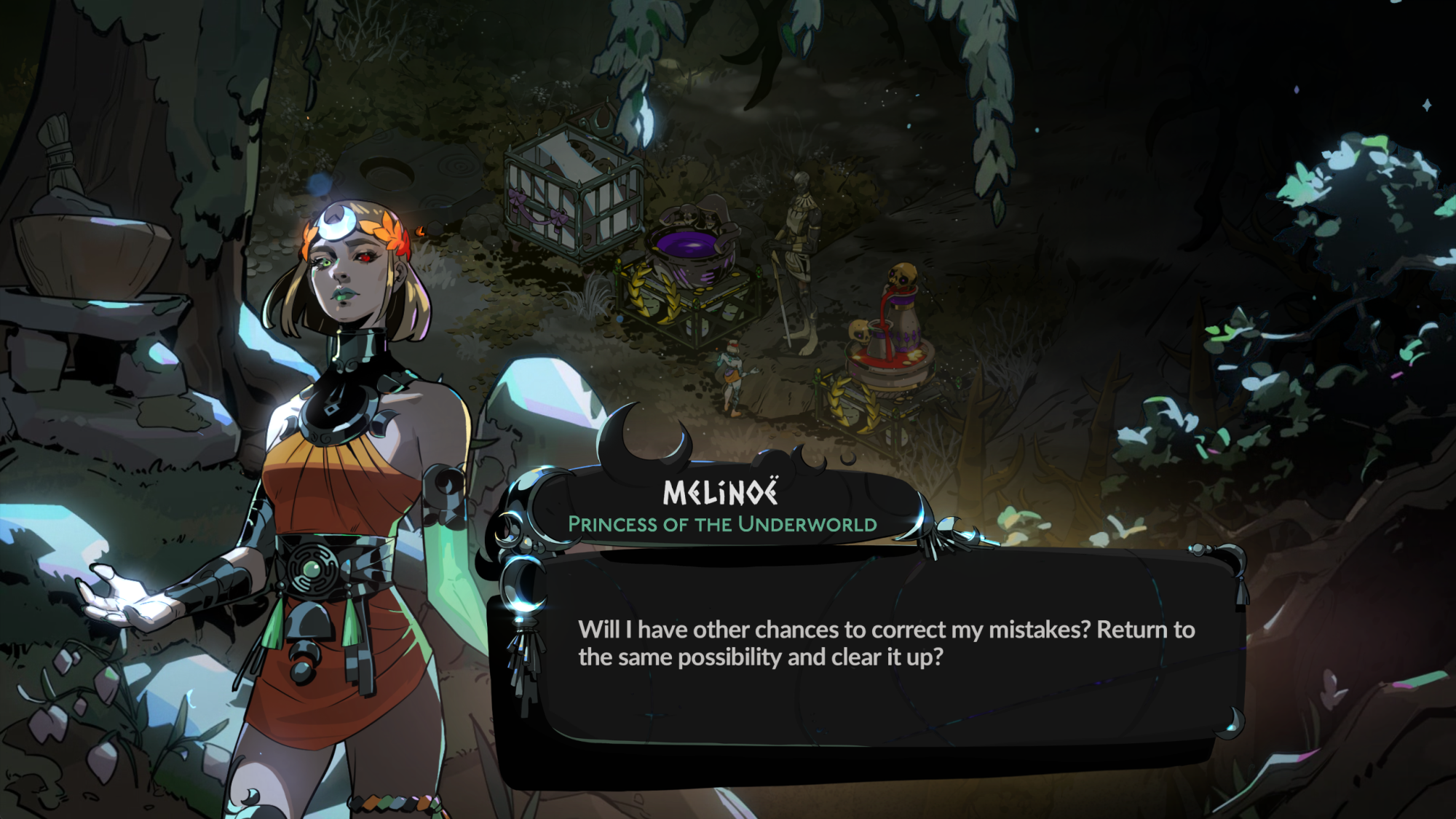
Hades II, while visually and mechanically impressive, faces challenges in maintaining its narrative coherence due to its broader scope involving war and destiny, which may conflict with the roguelike genre’s limitations. The protagonist Melinoe’s lack of depth and dynamic change contrasts with Red’s emotional journey, leading to a perception that some storytelling elements may not resonate as effectively.
Overall, the article examines how these games utilize their narratives to explore profound themes, with a particular emphasis on character agency, emotional depth, and the impact of their storytelling structures.
