



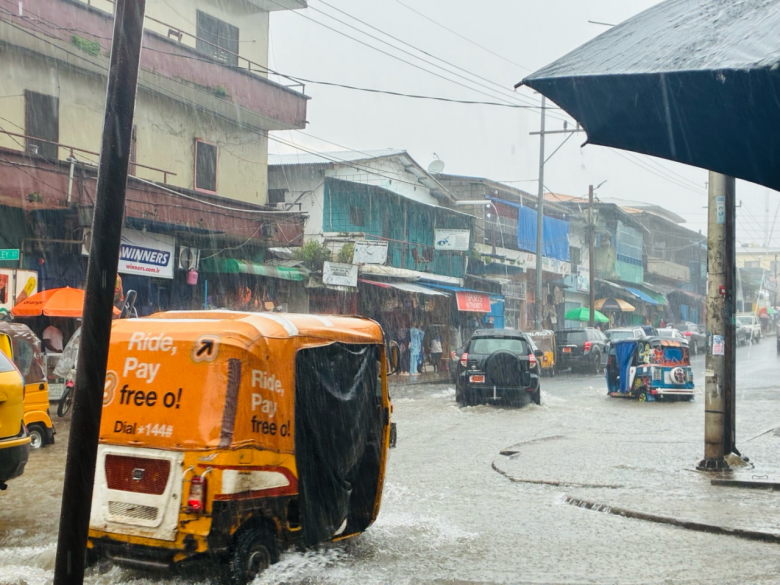
Heavy rains during January have disrupted Liberia’s typical dry season, raising concerns about the nation’s vulnerability to climate change. The Environmental Protection Agency (EPA) warns that unpredictable rainfall and flooding threaten agriculture, infrastructure, and coastal communities. Traditionally, Liberia experienced a consistent rainy season from April to October, but increasing rainfall patterns are now causing devastating impacts, especially for subsistence farmers struggling with lower yields and soil diseases.
Farmers across the country report significant declines in crop production and many are considering migration as a solution to rising food insecurity. Climate-resilient farming initiatives, such as greenhouses, are beginning to emerge but face financial and structural barriers.
Key climate risks include rising sea levels, exacerbated by coastal erosion, impacting the 60% of the population living near the coast. Though the Liberian government is seeking international support for climate adaptation, progress domestically is slow. Civil society advocates stress the need for effective policies and funding that reach vulnerable communities.
Environmental authorities emphasize the importance of sustainable practices to combat climate change impacts. As climate uncertainties rise, the costs of inaction are becoming increasingly evident, threatening livelihoods and food security.
Source link
