



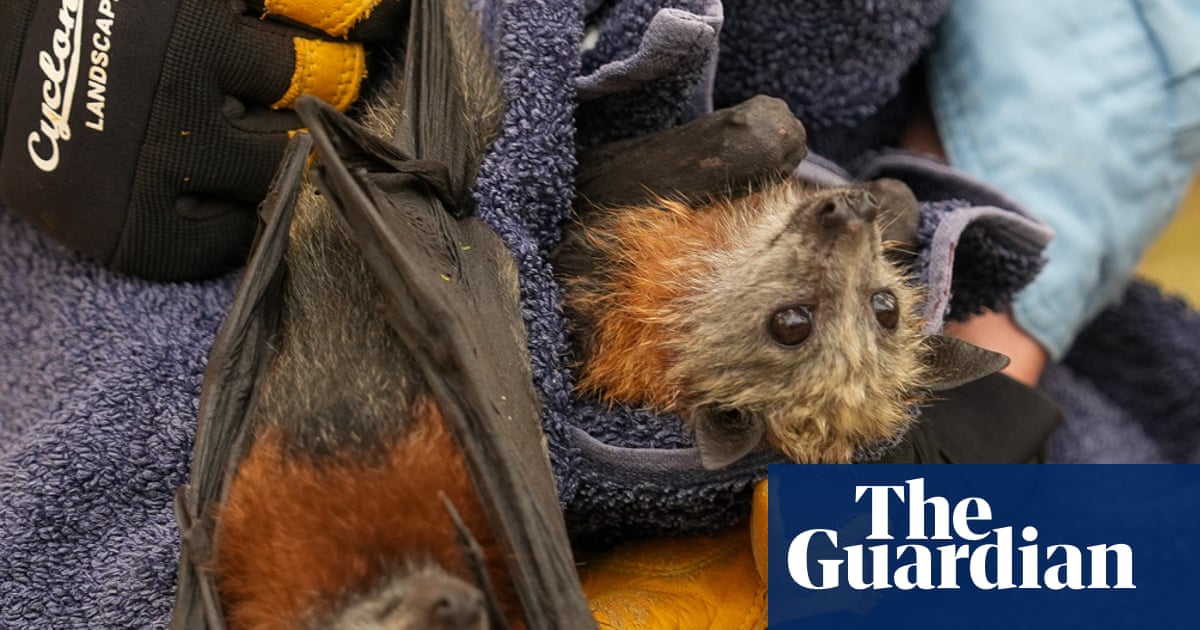
Last week, a severe heat wave in southeastern Australia led to the largest mass mortality of flying foxes since the Black Summer, affecting gray flying foxes, which are considered vulnerable. Reports indicate significant fatalities in South Australia, Victoria, and New South Wales, with estimates ranging from 1,000 to 2,000 bats dead in South Australia, several thousand in Victoria, and about 1,000 in New South Wales.
Tamsin Hogarth from Melbourne’s Fly by Night Bat Clinic highlighted the harrowing scene, with volunteers rescuing orphaned pups found clinging to deceased mothers. Many adult bats perished due to extreme temperatures, especially in areas lacking shade. Professor Justin Welbergen noted that temperatures above 42 degrees Celsius can cause catastrophic fatalities among these animals, creating a double challenge by impairing their ability to find food as heat makes flying more difficult.
The heatwave, the worst in years, saw temperatures hitting 43 degrees Celsius in Adelaide and exceeding 42 degrees in Melbourne and Sydney. Wildlife authorities are enhancing their emergency response capabilities as the distress among flying foxes has broader implications for native wildlife amid rising global temperatures. The burden of rescuing affected animals largely falls on volunteers and underfunded veterinary services, with concerns that the season ahead will see a surge in orphaned wildlife.
Source link
