



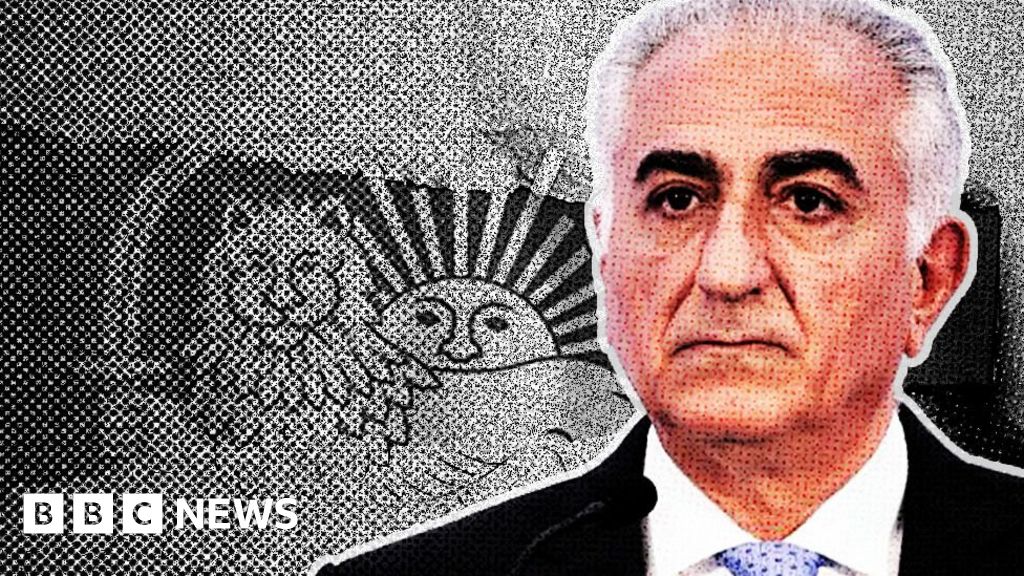
Many protesters in Iran are calling for the return of Reza Pahlavi, the exiled son of the last Shah. Pahlavi, raised to be the heir to the throne, was studying in the U.S. when the 1979 revolution overthrew his father. After the fall of the monarchy, he faced a series of family tragedies and became a symbolic figure among royalists. Now, at 65, he aims to influence Iran’s future.
Residing near Washington, D.C., he is seen as approachable and emphasizes that change must come from within. His tone has shifted to a more assertive stance, recently expressing readiness to lead an interim government if the Islamic Republic collapses.
Pahlavi’s legacy is mixed; while some remember his father’s reign as a period of modernization, others recall human rights abuses. His popularity has fluctuated over the years, including a failed coronation in 1980 and various attempts to form opposition coalitions.
Unlike some opponents, Pahlavi advocates for peaceful transitions of power and has distanced himself from militant groups. His 2023 visit to Israel drew divided opinions, where he engaged in controversial discussions post-Israeli strikes on Iran.
Pahlavi positions himself as a facilitator of national reconciliation, suggesting any decision about restoring the monarchy or establishing a republic should be made through a referendum. While he has high-profile support for peaceful change, critics question his reliance on foreign aid and whether Iranians will embrace a leader from the past. The Iranian government views him as a threat, but with no reliable public opinion data, his actual support remains unclear.
Source link
