



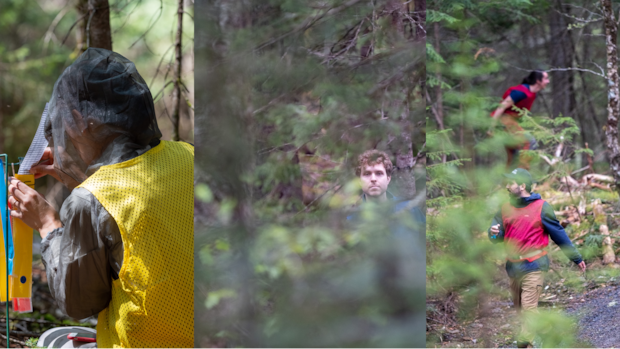
Ecologist David Bolduc from Université Laval recently conducted a unique experiment in Eco-Laurantide Park, Quebec, where participants role-played predator and prey to explore natural survival strategies. The 30-minute simulation aimed to mimic predator-prey dynamics and offered insights into how both groups—prey and predators—navigate challenges for survival.
Participants were divided into three roles: prey, mesopredators, and apex predators. The prey sought resources while avoiding capture, while predators aimed to catch them. Findings suggested that human behavior in the game mirrored that of animals, with predators utilizing trails for hunting, while prey preferred cover.
Despite the innovation, researchers stress the limitations, noting that the dynamics of human behavior differ from those of real animals, particularly due to the absence of life-and-death stakes. The study received positive feedback from ecologists as a valuable educational tool, promoting discussions on ecological theory and animal behavior. However, it won’t replace traditional field observations, which are crucial for a comprehensive understanding of predator-prey interactions.
Source link
