



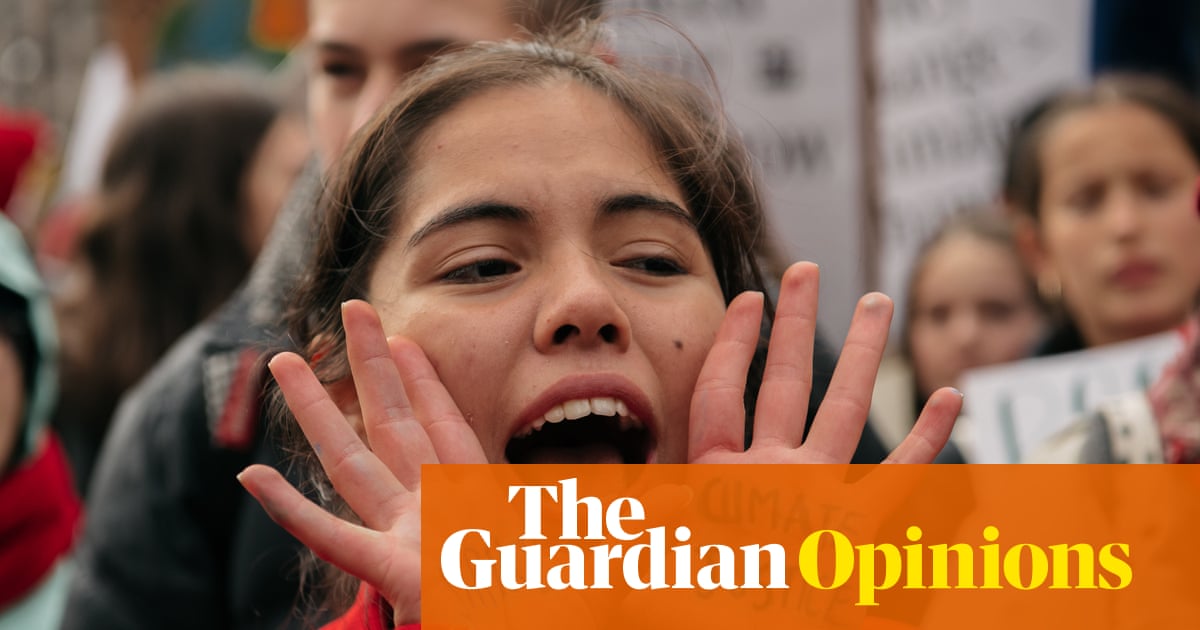
The article reflects on the ongoing struggles related to climate change and political behavior over the past year, expressing feelings of discouragement but also highlighting sources of hope. Since joining The Guardian in 2019, the author has reported on the devastating impacts of climate change on families and communities but remains inspired by grassroots activists and organizations fighting for climate justice.
The focus is on the intersectionality of climate issues with social inequalities, emphasizing that not everyone is equally affected or responsible for the crisis. The author pays tribute to various advocates including Indigenous peoples and youth activists, noting significant victories achieved in climate justice, such as the establishment of the Just Transition Mechanism at COP30, aimed at ensuring a fair transition to a green economy.
Despite setbacks at UN negotiations, countries like Colombia and the Netherlands are taking independent steps to phase out fossil fuels, reflecting a growing commitment among states to take meaningful action. The article discusses how climate litigation is becoming a vital tool for holding governments accountable, with recent court rulings affirming legal obligations to address the crisis.
Indigenous knowledge and grassroots solutions are highlighted as essential for addressing climate challenges. Ultimately, the author calls for continued collective action from ordinary people to hold leaders accountable and prioritize human rights in climate negotiations. The message emphasizes the need for strong public pressure against corporate interests to achieve real change in climate policy.
Source link
